
Too Drunk to Drive? Understanding How Alcohol Affects Your Body
6 min read
Learn how tracking your Breath Alcohol Concentration (BrAC) can empower smarter, more responsible drinking decisions.
Key Takeaways
- Law enforcement, medical professionals, and courts measure intoxication by blood alcohol concentration (BAC), but breathalyzers estimate BAC by measuring breath alcohol concentration (BrAC).
- Many biological factors can affect your blood alcohol concentration levels.
- Intoxication is when alcohol affects the body and mind, while impairment means a person’s ability to drive or operate machinery safely is diminished.
Whether it’s a casual drink with friends or a big night out, alcohol affects everyone differently, and not always in ways you expect. The numbers on a breathalyzer provide an objective measurement of alcohol in your system. When you know more about how blood alcohol concentration works, you can make smarter choices.
This article is for informational purposes only and should not be considered legal advice. Always consult a qualified DUI attorney to assist with any legal question. For other questions about how personal breathalyzers work, please contact the Keepr team at 833-743-5969.
What Is Blood Alcohol Concentration?
Blood alcohol concentration (BAC) is the amount of alcohol present in your blood. This is measured as a percentage. For example, a BAC of 0.08% means there are 0.08 grams of alcohol for every 100 milliliters of blood.
Law enforcement, medical professionals, and courts use blood alcohol concentration levels as a measurement of intoxication. However, breathalyzers estimate BAC by measuring breath alcohol concentration (BrAC).
BAC provides police officers and others with an objective, quantifiable way to determine how much alcohol is present in a person’s bloodstream. Courts use BAC because it provides legally defined thresholds for intoxication. In the United States, driving with a BAC of 0.08% or higher (in Utah, it is .05%) is unlawful, establishing a uniform standard for DUI enforcement and prosecution. The limit is even lower for specific groups, including anyone under 21 (.02% or lower), CDL holders (.04%). In Nebraska, North Carolina, Vermont, and Virginia, there is a lower BAC limit for anyone who has previously been convicted of a DUI.
How Drinking Changes Your Blood Alcohol Concentration
Once you start drinking, the alcohol moves through your digestive system and into your bloodstream. Your liver breaks it down, but it only processes about one standard drink per hour.
If you drink faster than your body can metabolize, your blood alcohol level rises. However, it does not increase at the same pace for everyone. Your weight, sex, metabolism, and whether you have eaten dinner can affect your blood alcohol concentration levels.
The Role of Body Weight and Metabolism
The more you weigh, the more blood you have, which dilutes the alcohol in your system. A heavier individual may have a lower blood alcohol level after the same number of drinks as someone with a lower weight.
Genetics and liver health can also affect how quickly your body processes alcohol. Some people burn it off faster, while others keep a higher BAC longer.
How Much Does Blood Alcohol Concentration Change in One Hour?
One myth posted on Reddit and several forums claims you can “drink hard” and wait an hour or two for the alcohol to leave your system. That is not true since the human body does not reset that quickly.
The human body metabolizes alcohol at a rate of 0.015% to 0.020% blood alcohol concentration per hour. If you are starting at 0.08%, you could still be above the legal driving limit for blood alcohol concentration four or five hours later.
Alcohol leaves your system slowly. There is no shortcut, no tricks, and no amount of coffee, cold showers, or greasy food that can speed up the process. Time is the only factor that lowers BAC.
How Blood Alcohol Concentration Affects You
Alcohol affects judgment, coordination, and perception. Our safety and wellness chart shows the full breakdown of these effects, but here is a snapshot of what you can expect:
- ~0.01 – 0.10: You may feel relaxed, talkative, and more confident.
- ~0.11 – 0.20: Your speech may slur, and movements become slower. Often, reaction time begins to lag.
- ~0.21 – 0.30: You could become confused, disoriented, dizzy, and have emotional swings.
- Above ~ 0.30: There is a high risk of blackout at this 'super drunk' stage. Vomiting and unconsciousness are some life-threatening effects as you approach a lethal blood alcohol concentration.
How Does It Feel to Be Drunk?
With a low BAC, you may have a "buzz." Many people are more relaxed, talkative, and a bit more confident. However, judgment and reaction times start to slip.
As BAC increases, slower thinking, clumsier movements, blurred vision, and slurred speech are common. As the drunkenness shifts from fun to dangerous, confusion, memory gaps, nausea, or blackouts occur.
The Difference Between Being Intoxicated and Impaired
Being intoxicated means alcohol has affected your body and mind. On the other hand, being impaired means your ability to drive or operate machinery safely is compromised. You may feel fine, but your coordination and reflexes tell another story.
Understanding the Difference Between Breath Alcohol Concentration (BrAC) and Blood Alcohol Concentration (BAC)
BAC measures the amount of alcohol in your bloodstream, while BrAC measures alcohol in your breath. Breathalyzers estimate BAC by analyzing BrAC using a standard ratio of roughly 2,100 parts of breath to 1 part of blood. BAC is a clinical measurement, while BrAC provides a fast and convenient estimate.
How a Keepr Portable Breathalyzer Measures BrAC
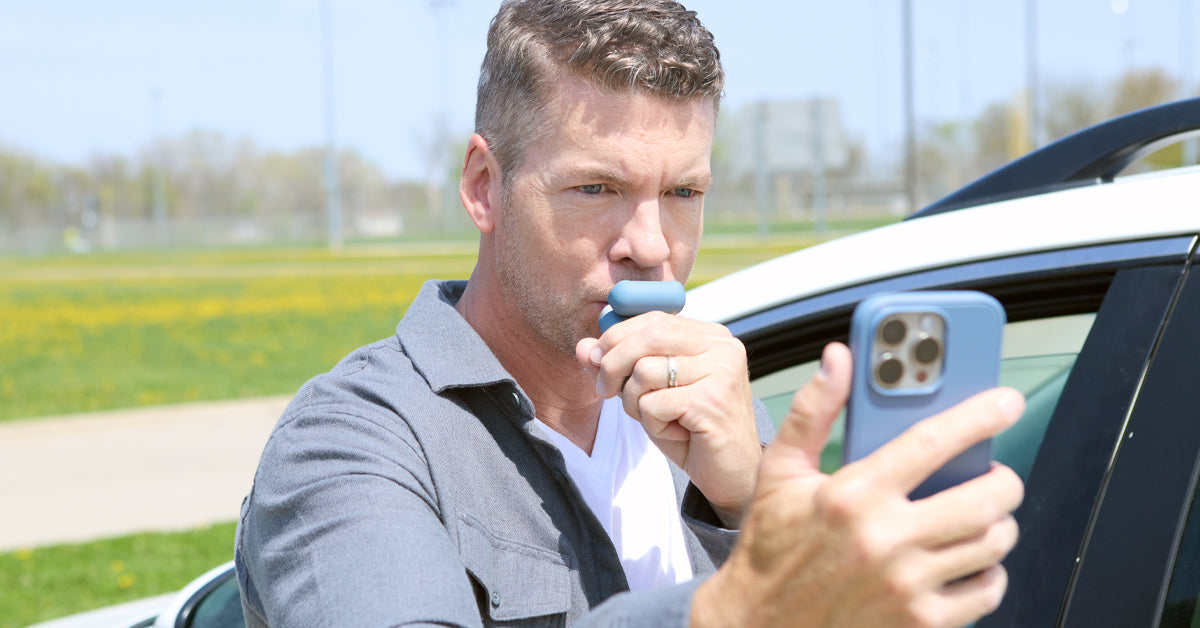
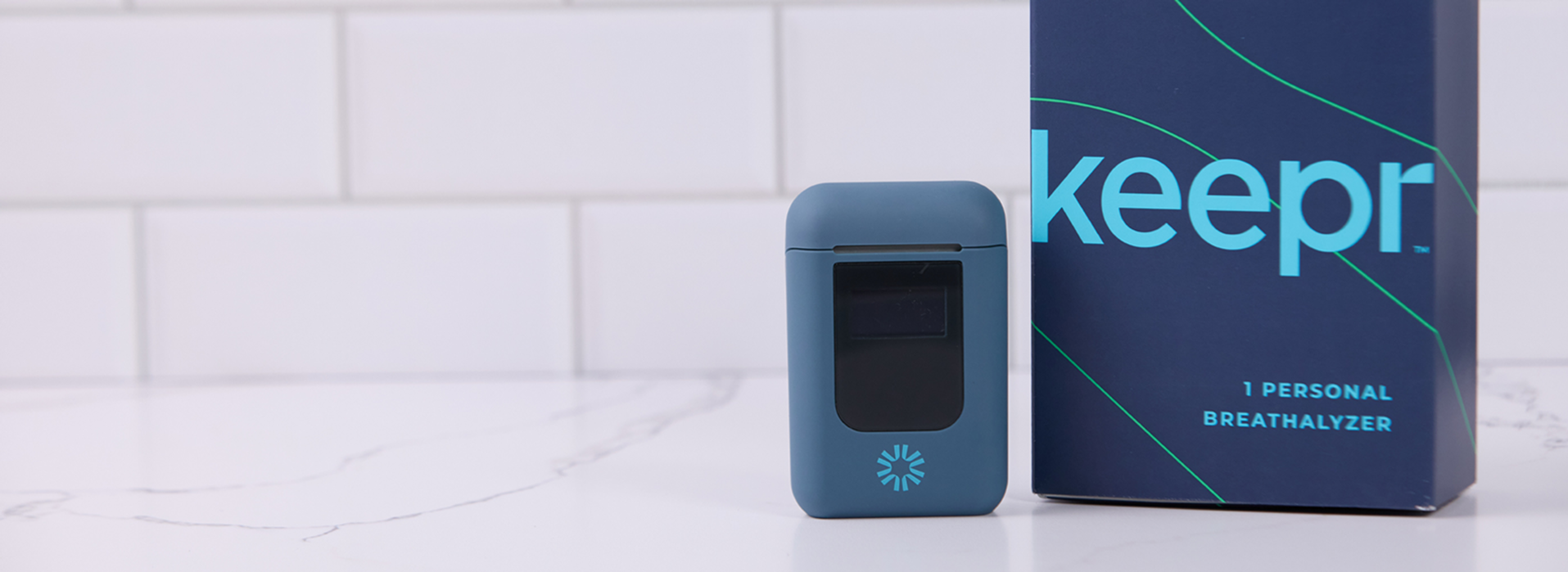
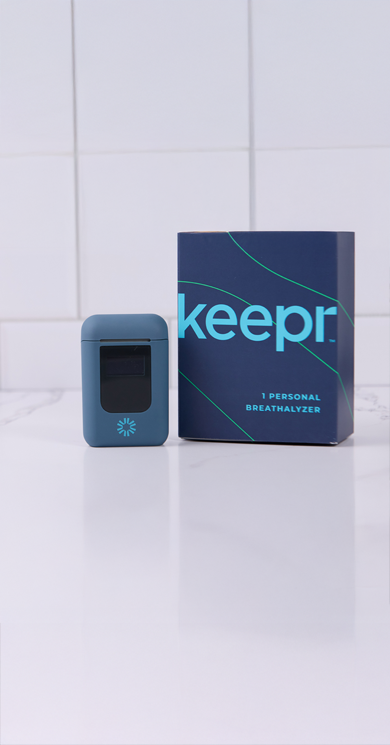
Keepr® makes it easy to check your breath alcohol concentration anytime, anywhere. With advanced fuel cell technology, the device detects the ethanol (a form of alcohol) in your breath and converts it into a BrAC reading. This is the same type of technology used in police-grade breathalyzers.
When you exhale into Keepr, the alcohol in your breath triggers a chemical reaction in the sensor, creating a small electrical current. This device measures the current and calculates your BrAC. Built-in sensors detect tampering and make sure you have an accurate reading.
Once the measurement is complete, you view your results in the YourKeepr app. From there, you can track your readings over time, share them with approved contacts, or schedule tests according to your needs.
Why Knowing Your Breath Alcohol Concentration Matters
By checking your BrAC with a Keepr portable breathalyzer, you get a better picture of how alcohol is impacting your body. For those who have had previous alcohol-related consequences, including a DUI, Keepr can help you monitor BrAC to stay aware, track consumption, and make informed choices.
BAC vs. BrAC: FAQs
These answers help you learn more about the differences between BAC and BrAC.
What blood alcohol level is considered drunk?
Forensic science and legal medicine professionals often refer to the Dubowski alcohol table to help answer what blood alcohol level is considered drunk. This table isn’t meant to apply to a specific drinker, rather a group of social drinkers, not heavy drinkers or anyone with an alcohol use disorder. The National Institute on Alcohol Abuse and Alcoholism says 0.08% is still widely accepted as the clinical and legal threshold for intoxication.
Can BAC drop quickly if I wait or exercise?
No. The liver metabolizes alcohol at a fairly fixed rate, usually around 0.015% per hour. Activities like drinking coffee, exercising, or taking cold showers won’t speed up the process. Time is the only factor that lowers BAC.
How does body size affect BAC?
BAC is influenced by body weight, sex, and metabolism. Often, smaller individuals or those with less water in their bodies will reach higher BAC levels faster than larger individuals drinking the same amount of alcohol.
Make Better Choices with Your BAC
Knowing your BAC and BrAC helps you make smart choices that keep you and those around you safe. When you know how alcohol affects your body, you can enjoy a night out or a few drinks responsibly.
For more information on how Keepr can empower your decision-making with alcohol, contact us today.