
Teens and DUIs: How to Talk about the Dangers of Drinking and Driving
7 min read
Teen driving and alcohol don’t mix. Start talking about impaired driving before they get their license and head out on the open road.
Key Takeaways
- Worrying about your teen’s safety is natural. Knowing the facts about drinking and driving can turn concern into practical action.
- Start having honest conversations with your teen before they begin driving. Early, open dialogue makes safety a shared family value.
- Use tools like Keepr® to make accountability feel supportive, not controlling. Shared visibility builds trust, reinforces good habits, and keeps communication strong.
It is perfectly normal to have a flurry of worries and ill-fated scenarios fill your mind when you first hand over those car keys to your teen. Those thoughts have likely been there for a while, perhaps triggered by seeing your teen’s friends proudly show off their newly acquired driver’s licenses.
Those feelings are understandable. You want to protect your children without coming across as controlling or paranoid. But how do you talk to your teen about the dangers of drinking and driving without sparking fear or distrust?
The good news is that open, fact-based conversations can build safety and confidence. And with tools like Keepr®, families can stay grounded in fact, not fear.
This blog is for informational purposes only and is not to be used as legal advice. Always consult a qualified DUI attorney to assist with any drunk driving charge in your family. If you have immediate questions about personal breathalyzers, call the Keepr team at (833)-743-5969.
Statistics on Teenage Drinking and Driving
While it’s natural to worry, having the facts about teens and drinking and driving helps you speak with your teen from a position of knowledge rather than emotion.
- In 2023, 30% of teen drivers (ages 15–20) killed in crashes had a measurable blood alcohol concentration (BAC) of 0.01 g/dL or higher, and 25% had BACs of 0.08 g/dL or higher.
- Drivers 20 and under make up only 5.1% of licensed drivers in the U.S., but account for 8.5% of drivers involved in fatal crashes.
- Crashes involving at least one young driver led to 5,588 deaths in 2023, a 4.2% increase from 2022.
- According to Stanford Medicine Children’s Health, alcohol “impairs most of the skills young drivers need the most: reaction time, vision, and judgment”.
Knowing the data is more about preparation than fear. The earlier and more calmly you start these conversations, the better your teen will internalize these lessons and feel more comfortable being transparent with you.
9 Steps to Talk to Your Teenager About Drinking and Driving
Keeping the tone conversational helps your teen stay receptive instead of defensive, says this study from Alcohol Research & Health journal. Keep these tips in mind when broaching the subject of drinking and driving.
-
Start a Dialogue Before They Start Driving
The best time to begin the conversation about drinking and driving is before your teen gets behind the wheel. Setting expectations early makes safety a family value, not a rule imposed under pressure. Look for natural conversation openings such as sharing a social media post, news story, or information on a local event. You can then start with something like:
“I don’t want this to sound like a lecture, I just want to discuss something important because I really care about you and want you to always feel comfortable coming to me.”
-
Set Expectations and Boundaries
A conversational and personal approach is encouraged, but when setting expectations, clarity is so important. Be direct: “No drinking before driving. Ever.”
Explain why this boundary matters and what the consequences would be, both for their safety and the safety of others.
-
Frame Driving as a Privilege
When your teen understands that driving is a privilege earned through responsibility, it sets a respectful tone. You might consider saying: “Passing your test earns your license, but safe, responsible choices keep that privilege every day.”
This reinforces accountability without making the topic feel punitive.
-
Discuss How Alcohol Affects the Brain
Teens often underestimate the true effect alcohol has on them. Scientifically, their brains are still in a developmental stage. The prefrontal cortex, which controls planning and impulse, is still developing until around age 25, making teens more prone to risky behavior after drinking.
It's beneficial to share this knowledge with your teen but be mindful not to offend their intelligence in any way. Remember, these conversations are about building trust and connection.
“Because teen brains are still forming, they’re more vulnerable to alcohol’s effect on decision-making,” reports Stanford Medicine Children’s Health.
Knowing the science helps your teen see conversations about drinking and driving as grounded in fact, not control.
-
Prioritize Safety First Once They Start to Drive
Research from The Journal of Primary Prevention shows pressure from your teen's friendship circle can cloud judgment. Make it clear that safety is always a priority. “If there’s ever any doubt, don’t drive. Call me, no questions asked.” Creating a no-penalty plan builds confidence they’ll reach out in sticky situations.
Some families create a safe word or code word that your child can use discreetly when they feel uncomfortable or nervous at a party. This word signals parents to come and pick them up immediately, without questioning or drawing attention.
-
Explain the Legal Ramifications of a DUI
Even one mistake can have serious long-term consequences. A first-time DUI can cost $10,000 or more in fines, legal fees, and insurance hikes. It can also mean losing a license, missing school, and damaging future opportunities connected to college or employment. The Journal of Road Safety says to remind your teen that DUI laws apply to any detectable alcohol for drivers under 21.
-
Create an Emergency Plan
Discuss a clear plan before it’s needed, hear their opinions, and create the plan together.
- Offer no-questions-asked rides home.
- Save emergency contacts and ride-share options in their phone.
- Identify two or three trusted adults they can always call.
This makes it easier for your teen to make the safe choice in a stressful moment.
-
Discuss Drugs and Other Dangerous Substances
Alcohol isn’t the only concern. The National Highway Traffic Safety Administration emphasizes that driving under the influence of marijuana, prescription medications, or other drugs is equally dangerous.
A simple, direct message works best; don't leave any room for misinterpretation:
“Driving under the influence of anything that alters how you think, react, or focus is never okay. It’s not worth the risk.”
-
Continue the Conversation Before They Leave Home
The conversations that have been discussed up until this point shouldn’t end once your teen earns their license. Keep communication open with casual check-ins before and after social events or weekends:
- "Is your phone charged so you can call if you need me?"
- "Did you feel uncomfortable with anything tonight?"
- “Did everyone get home safely?”
Open questions like this encourage honesty and build trust without confrontation.
Other Ways to Reduce the Risks Your Teen May Drink and Drive
Set an Example
Your actions set the tone. Avoid drinking before driving, even casually. Be mindful of speaking your responsible choices out loud: “I’m not drinking tonight because I’ll be driving you later.”
This shows that responsible choices are a shared family standard.
Consider a Personal Breathalyzer
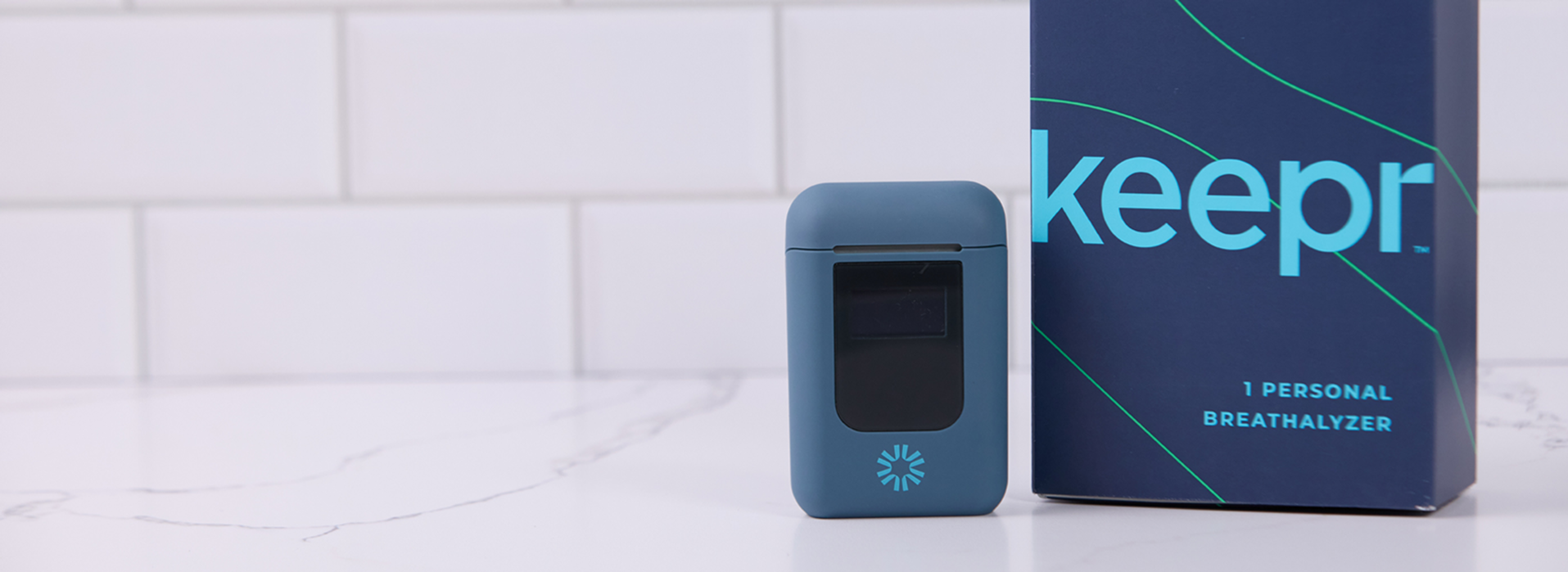
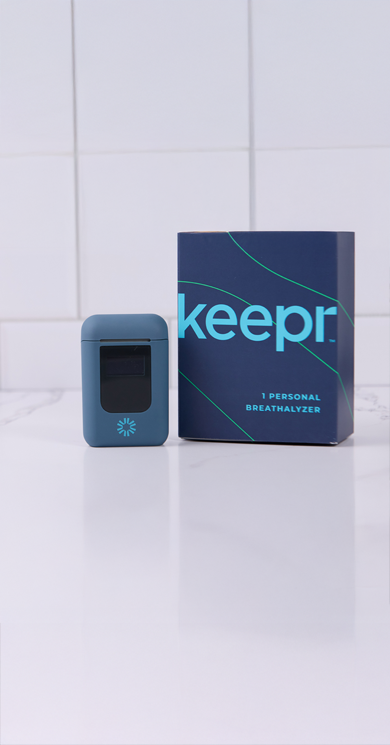
Modeling safe habits can be powerful. Accountability doesn’t mean control. A personal handheld breathalyzer, such as Keepr®, allows parents and teens to treat safety as a shared responsibility. “If you’re ever unsure, this is something we can both use.”
Keepr combines accuracy and discretion, reinforcing trust while protecting privacy. You can also connect your Keepr device with your vehicle's ignition system with Keepr Drive. When Keepr Drive is enabled, drivers are required to provide a passing breath sample (“passing” is below the maximum BrAC level set by the vehicle admin) before the vehicle will start.
The Keepr breathalyzer provides a quick way to check your BrAC level and view results on the connected app. Keepr Drive takes that check a step further by integrating with your vehicle and requiring a breath sample before the vehicle will start.
Putting Your Care and Concern for Your Teen First
Ultimately, conversations with your teen about the dangers of drinking and driving must be rooted in love, trust, and safety. Having these conversations shows your teen that you value their independence and well-being.
Encourage them to make decisions rooted in awareness, not pressure. Facilitate open and compassionate conversations about teens, drinking, and driving. They are one of your most important relationships; treat them as such.
Keepr helps families build that foundation of accountability and communication, one safe choice at a time. Help your teen understand the real-world consequences of drinking and driving and show them how tools like Keepr can make accountability simple, safe, and supportive.