
What Gen Z, Millennials, and Gen Alpha Think of Alcohol Use
3 min read
This article is for informational purposes only and should not be considered legal advice. If you have questions about DUI laws or charges, consult a qualified professional. For immediate assistance about alcohol monitoring tools, contact Keepr® at (833) 743-5969.
Generational shifts away from alcohol are reshaping drinking habits and increasing awareness about health risks and technology tools to monitor drinking.
For decades, drinking alcohol has been seen as a rite of passage. From high school parties to college tailgates, experimenting with alcohol often marked the transition into adulthood, and these early experiences didn't just shape memories. They also influenced lifelong drinking habits. That narrative may be changing, according to new research.
Younger generations are questioning long-held assumptions about alcohol. Gen Z, in particular, is drinking less than Millennials, Gen X, and Baby Boomers did at the same age. At the same time, cultural attitudes, health awareness, and technology are changing how people approach drinking across all age groups.
Behind the Numbers: How Much Do Different Generations Drink?
Understanding how alcohol consumption varies across generations reveals habits, priorities, risks, and opportunities for safer behavior.
Boomers and Gen X
Baby Boomers (born 1946–1964) and Gen X (born mid‑1960s–1980) grew up in a culture deeply embedded with alcohol as part of social life. Drinking was often normalized in both personal and professional settings—from office happy hours to family gatherings—and many Gen X women experienced binge drinking .
Studies consistently show that Gen X and Boomer generations have higher rates of regular alcohol consumption. For many, drinking isn't occasional but habitual. Awareness of alcohol-related health risks has increased, but behavior change has been slow.
Millennials and Gen Z
Millennials (born 1981–1996) are often credited with shifting the conversation around alcohol. While many still drink socially, they’re more likely to prioritize balance through wellness, fitness, and mindful consumption.
Gen Z (born 1997–2012) takes these habits further. Data shows that Gen Z drinks less than any previous generation at the same age. Many delay or avoid alcohol altogether for reasons including:
- Increased awareness of mental health
- A focus on physical wellness
- Financial considerations
- Greater access to information about risks
Social media also plays a role. Unlike past generations, Gen Z has grown up documenting life online, making risky behavior—such as excessive drinking—less appealing.
Gen Alpha: What to Expect
Gen Alpha (born 2010–2025) is still too young for definitive data, but early indicators suggest they may follow or even amplify Gen Z’s patterns. Growing up in a world centered on health, transparency, and technology, Gen Alpha is likely to:
- Be highly informed about substance use risks
- Have access to advanced safety tools
- View alcohol as optional rather than expected
If these trends continue, Gen Alpha may become the most alcohol-conscious generation yet—potentially reducing teen DUIs and related legal and health risks.
New Trends in Alcohol Consumption
Shifting generational behaviors are driving broader cultural changes in how society views alcohol.
Sober Curiosity
The rise of the sober curious movement reflects a cultural shift where people increasingly question why they drink at all—not just how much.
Key changes include greater acceptance of not drinking, growth in non-alcoholic beverages, wellness-focused lifestyles, and reduced stigma around abstinence. Declining a drink no longer requires explanation and is often respected.
Science and Safe Alcohol Consumption
Scientific research is reshaping how we understand alcohol’s effect on the body . Even moderate drinking carries risks, affecting sleep quality, mental health, and cognitive function—often before someone feels intoxicated.
Access to science and data is changing how younger generations think about drinking. The conversation is shifting toward risk reduction, combining accountability tools with personal responsibility.
The Surprise Twist: Gen Z and Rising Cannabis Use
While Gen Z drinks less alcohol, some studies show an increase in cannabis use . This represents a shift in preference rather than an increase in overall substance use.
Cannabis affects reaction time, coordination, and decision-making much like alcohol. Reduced drinking does not automatically mean reduced risk—it simply changes the landscape.
Tools for New Trends: Monitoring Alcohol Use
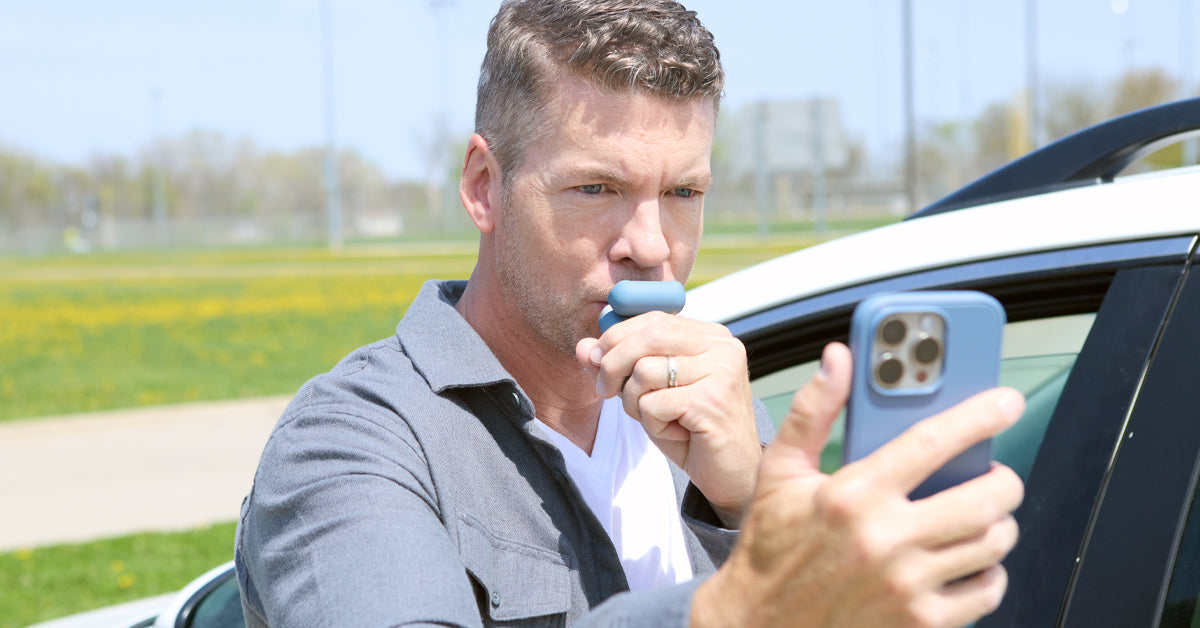
As awareness around alcohol’s impact grows, so does demand for tools that support smarter decision-making. Personal breathalyzers allow real-time measurement of breath alcohol concentration (BrAC), helping individuals make informed decisions before driving.
Whether you’re navigating new social settings or adjusting long-standing habits, tools like Keepr and Keepr Drive provide added accountability.
Learn more about Keepr breathalyzer products and how they help you stay informed and in control. Call 833-743-5969.