Is There a Difference Between Intoxicated and Impaired? Learn the Real Story Behind Legal Limits
5 min read
This article is for informational purposes only and should not be considered legal advice. If you have questions about DUI laws or charges, consult a qualified professional. For immediate assistance about alcohol monitoring tools, contact Keepr® at (833) 743-5969.
The state or a police officer can judge driving behavior just as much as your blood alcohol content. Understand the difference and stay safe on the road.
As the designated driver for the night, you've only had one drink. You're confident you can get everyone home safely, as your blood alcohol level is within legal limits. But somehow that drink hits you hard, and the next minute, a cop is pulling you over. Whether you took an allergy tablet before hitting the club or you're tired from the work week, the police officer identified impaired driving habits. Now you may be in trouble.
Did you know that you don’t have to fail a breathalyzer test for the state to consider you unsafe to drive? You could get a driving under the influence (DUI) charge based on your physical driving behavior, and a failed field sobriety test. According to the National Safety Council, 16% of all drivers involved in fatal crashes who test positive for alcohol fall below the standard 0.08% blood alcohol content (BAC) legal limit.
It’s possible to be convicted of a DUI even if you’re below the legal limit. By assessing your ability to focus regardless of alcohol use, and understanding the difference between intoxication and impairment, you can make more informed choices and reduce your risk of legal trouble.
Can You Be Impaired If You Aren’t Intoxicated?
Yes. Impairment is related to your physical behavior on the road.
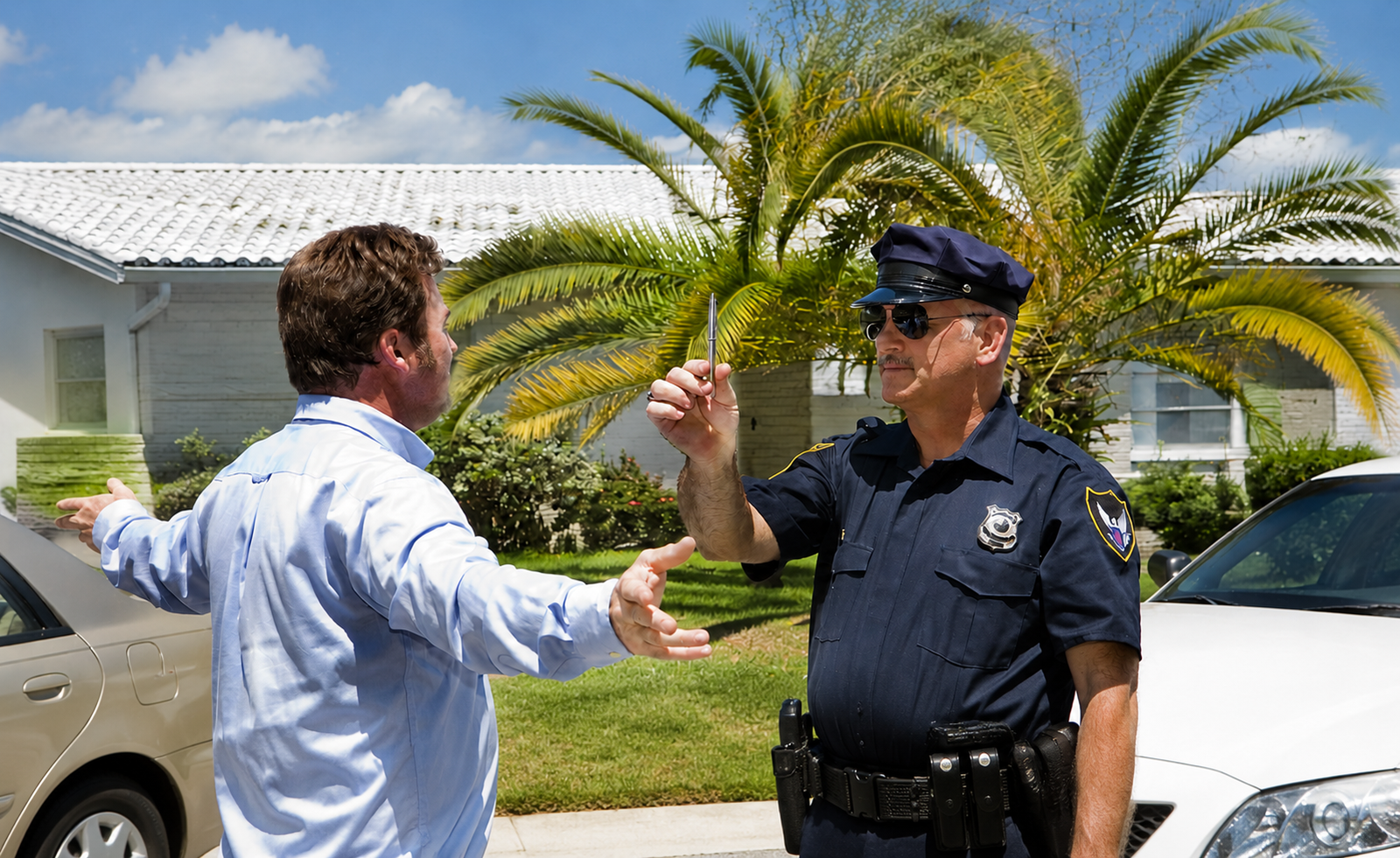
Officers may also determine your impairment based on field sobriety tests. These tests can provide results that can be presented in court, along with video footage of your driving behavior. While some question the reliability of field tests, police can arrest you before conducting a breathalyzer test. Clear evidence of unsafe driving behavior can be enough for a charge.
The Legal Definition of Intoxication
Intoxication typically refers to having a BAC at or above the legal limit, which is 0.08% in most states except Utah, which has a limit of 0.05%. At this level, the law considers a driver over aged 21 legally unfit to operate a vehicle, regardless of how they feel. Frequently, the limit for underage drivers is 0.0%, often referred to as zero tolerance.
The effects of alcohol can begin around 0.02% BAC when concentration declines, affecting judgment, and it becomes harder to stay focused. This is where you could be considered impaired.
The Legal Definition of Impairment
Impairment is more complex. US Legal Forms defines impairment as "a condition where a person's physical or mental abilities are diminished, affecting their capacity to perform everyday tasks such as seeing, hearing, walking, or making judgments about distances."
Substance use, mental health issues, or medical conditions are other causes of impairment. In this 2025 bodycam video of a cop arresting a teen for a DUI in California, the officer asks the 18-year-old about medications, mental health history, and general physical well-being. He does this before conducting standardized sobriety tests. Watch on YouTube ↗
Several non-alcoholic substances or driving distractions can lead to impaired driving.
Signs of Impairment
Recognizing impairment in yourself or others before driving is a practical way to make sure everyone stays safe.
Physical signs of impairment include:
- Difficulty with balance and coordination
- Slurred speech
- Slowed reflexes
- Nausea and vomiting
Behavioral signs of impairment look like:
- Poor judgment
- Mood changes like aggression or overly emotional reactions
- Confusion
Driving behavior that could signal impairment:
- Inconsistent driving speeds
- Delayed reaction times
- Swerving while driving and crossing the middle line
- Activating signals without acting on them
Officers can pull you over if you're driving is erratic and indicative of impaired behavior. Breathalyzer tests often accompany standardized field sobriety tests to confirm or add to evidence that could lead to a DUI.
What Breathalyzers Test for: Understanding BrAC vs BAC
Roadside breathalyzers used by police measure your breath alcohol content (BrAC), which is then converted to an estimation of blood alcohol content (BAC). Law enforcement can also measure intoxication percentage using chemical tests on blood, hair, or urine.
Key differences of BrAC versus BAC include:
- Blood Alcohol Content: Measures the content of alcohol in a specific volume of blood. This is considered the most accurate method and can detect alcohol for up to 12 hours. Authorities can measure BAC alcohol with urine or blood tests.
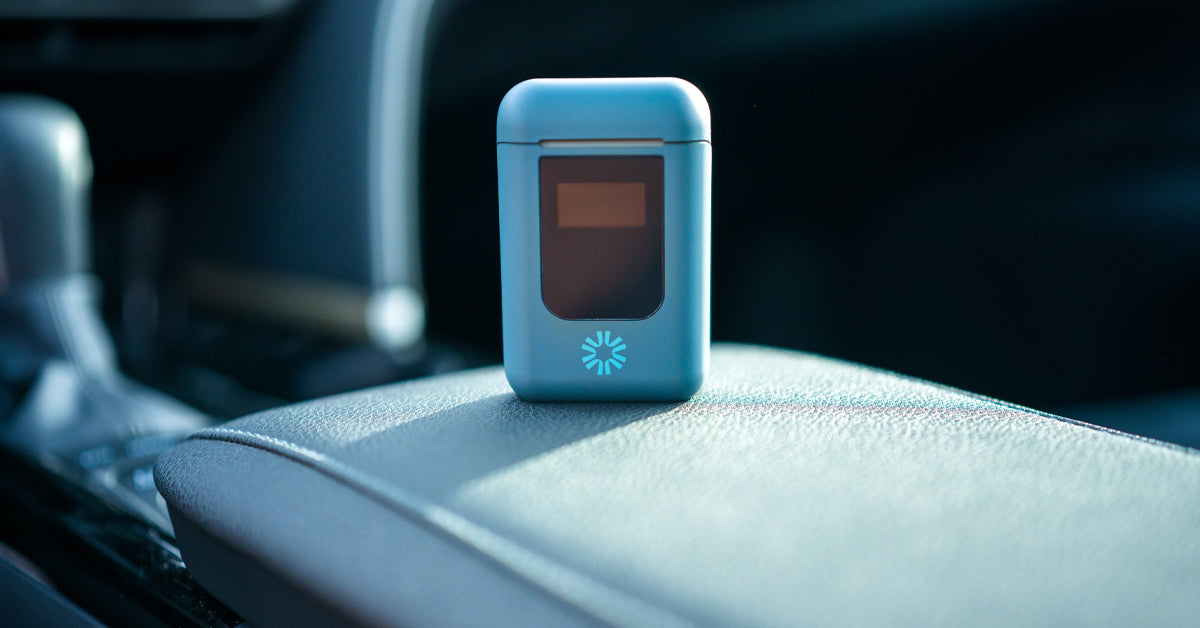
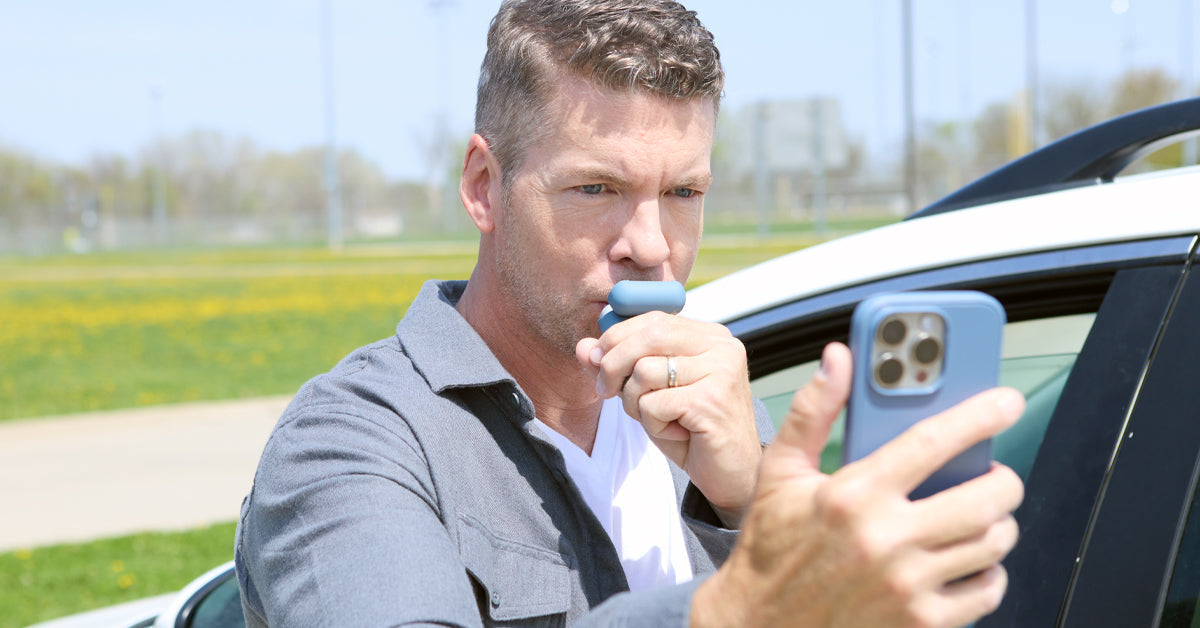
- Breath Alcohol Content (BrAC): Measures the alcohol concentration in your breath using a handheld breathalyzer or ignition interlock device (IID). People can use handheld, personal breathalyzers for a quick, non-invasive test.
Find Out More: How Blood Alcohol Concentration Affects You
Causes of Impairment: Beyond Alcohol
Many factors impact our ability to function. As a designated driver, it’s important to consider whether you could be affected by the following before you get behind the wheel.
Recreational, Prescription, and Over-the-counter Drugs
Medication can have side effects that cause mental confusion or drowsiness. For example:
- Cannabis
- Prescription medications (e.g., painkillers, anti-anxiety meds)
- Over-the-counter drugs like antihistamines
Even when taken as directed, some medications can affect alertness and coordination.
Sleep Deprivation and Medical Conditions
Driving while extremely tired can be just as dangerous as driving under the influence. Think about how you feel if you experience:
- Chronic fatigue
- Illness or fever
- Neurological conditions
These can all slow reaction time and impair decision-making.
Rare Causes of Impairment
In some cases, impairment may stem from less obvious sources, such as:
- Blood sugar imbalances
- Distractions, like using your phone
- Dehydration
- Adverse reactions to medications
While some of these are less common, these situations can still affect your driving ability.
Ultimately, the goal is to get you to your destination safely. Always assess how you feel before you decide to drive.
Knowledge is Power: How Keepr Can Help You Make Informed Choices
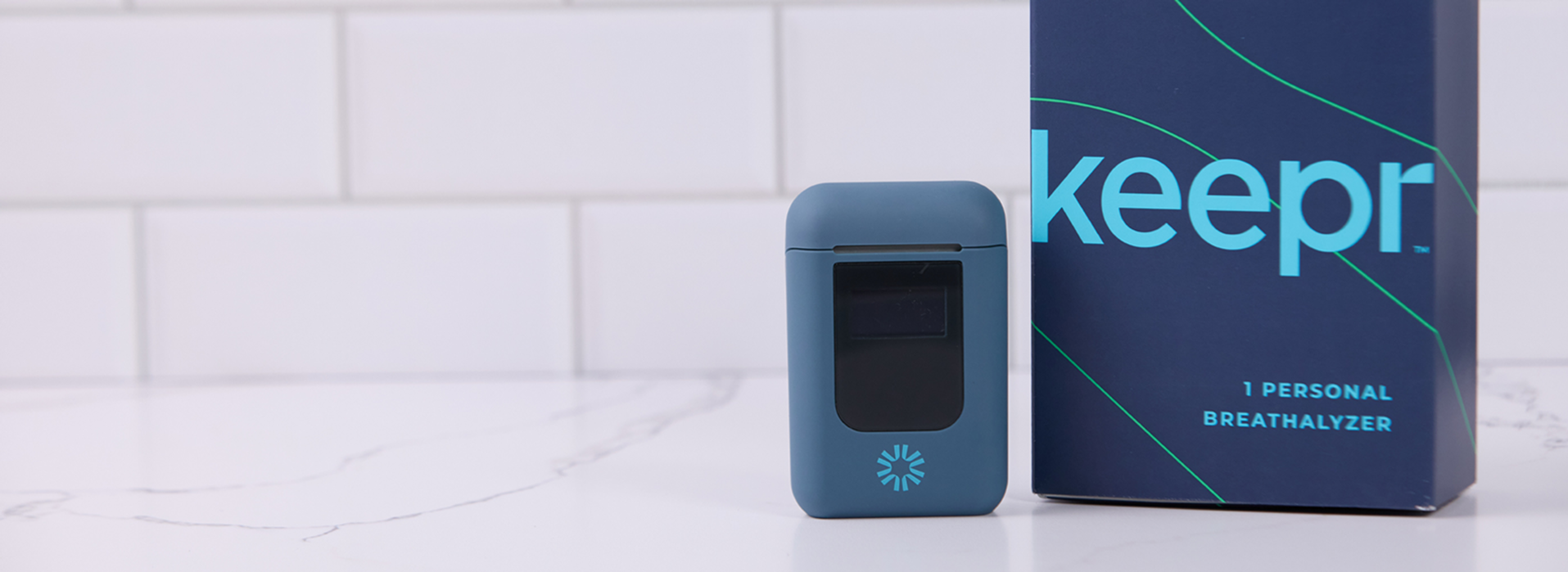
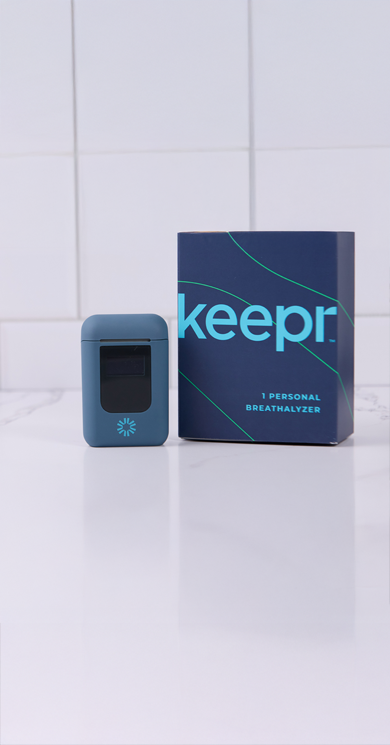
Ready to get behind the wheel but feeling uneasy? Consider an option that can help you make a more informed choice before you decide to drive. A handheld breathalyzer from Keepr can help you learn more about your alcohol levels if you’ve been drinking.
Even if you’re under the legal drinking limit, impairment is still a consideration for the state in a DUI case.
Keepr is one tool that can provide data on your alcohol levels, but understanding the risks of impaired driving is essential to keeping a clean record.
Make safe choices on the road and only drive with someone who seems in control, aware, and awake. For other questions or comments about staying safe on the road, contact the Keepr team at (833) 743-5969.