Article: Homecoming and Halloween: Two Nights Every Parent of a Teen Driver Should Plan For

Homecoming and Halloween: Two Nights Every Parent of a Teen Driver Should Plan For
8 min read
This article is for informational purposes only and should not be considered legal advice. If you have questions about DUI laws or charges, consult a qualified legal professional. For immediate assistance about alcohol monitoring tools, contact Keepr®.
Big events like Halloween, Homecoming, and the holiday season are something you look forward to when you're young and carefree. Planning your outfit and evening with friends is usually filled with excitement, energy, and a sense of adventure.
However, these milestone nights increase risks on the road for teen drivers. Peer pressure, teen drinking culture, and distracted driving can all add more potential dangers. Across a three-year period from 2022-2024, data from a national telematics company showed that the holiday distracted-driving spike caused an estimated 2,000 additional crashes, five additional fatalities, and $47 million in extra damages nationwide.
It’s important to talk with your teen about their plans for these nights, especially as it relates to driving, decision making, and alcohol. Here's what parents should know before handing over the car keys on Halloween or Homecoming night.
Why is Halloween Risky for Teen Drivers?
Halloween is a risky night to be on the roads. A study assessing accidents on Halloween night from 2019 to 2024 found that 377 victims of traffic accidents involved drivers with BAC higher than the legal limit.
Nationwide, it is illegal to drive with a blood alcohol content (BAC) of .08 or higher, except in Utah, where the limit is .05.
Here are four reasons Halloween can be more dangerous than other nights:
High Pedestrian Traffic
Pedestrians are roaming the streets trick or treating. While parents might escort younger kids home once it gets dark, teens and young adults might have more independence and freedom.
This high pedestrian traffic potentially increases safety risks for all people on the road, whether driving, using scooters, e-bikes, and beyond.
Unpredictable Behavior
On a night when fright is the focus, people can act in unexpected and sometimes illegal ways. In 2024, State Farm reported almost 27% more vehicle vandalism occurs on Halloween. This includes people throwing items as large as pumpkins into traffic which could endanger drivers and their passengers.
Distracted Driving
Drunk drivers are known to show increased signs of poor judgment, confusion, imbalance, lack of coordination, and delayed reaction time behind the wheel.
But distractions may come from other sources, too:
- phones
- too many friends in the car
- reaching for something
- grooming
- loud music
- eating or drinking
- adjusting controls
In 2024 the National Highway Transportation Safety Administration (NHTSA), reported 7% of teen drivers involved in deadly traffic crashes were distracted at the time of the crash, and 7% of all teen deaths in traffic crashes that year occurred in distraction-affected crashes.
In 2024, about 1 in 14 teen drivers in fatal crashes were distracted behind the wheel. Source: NHTSA
Impaired Drivers
Halloween is often seen as the kickoff to the holiday season, which includes Thanksgiving, Christmas, and New Year’s. Drunk driving is known to spike during this time, impacting drivers of all ages.
National crash data shows about 19% of alcohol-impaired drivers involved in fatal crashes in 2022 were between 15 and 20 years old.
Why is Homecoming Risky for Teen Drivers?
Homecoming can present many of the same risks as Halloween, with a few more concerns. Teens may be traveling to dances, games, parties, or gatherings, often with several friends in the vehicle.
Teen drivers may have added risks of peer pressure, availability of alcohol, and reckless or showy behavior to contend with.
Potential Availability of Alcohol
Even when a school event is alcohol-free and communities have set bans or curfews to help protect students, parties before or after Homecoming events may still involve alcohol. Teens may also be offered alcohol by friends or encounter peers who have been drinking.
Consider role-playing conversations with your teen about how they would handle these types of situations before Homecoming. They may feel more comfortable putting it into practice once they’ve tried it a few times.
Peer Pressure
Peer influence is powerful as teens seek acceptance and popularity in their social circles. While peer pressure can have positive effects, it can also lead to risky behavior, especially during exciting events.
It can be difficult for teens to remember you're on their side in the middle of a difficult discussion. It may be helpful to remind your teen that you’re in their corner, says Tami DePalma, chair of Do It For Dominic D, a non-profit organization dedicated to educating and supporting teens and young adults in making healthy choices.
"Remind them mom and dad are their 100% unconditional cheerleaders," she says. "And while friends seem really important right now, they will always come back to mom and dad."
Late-Night Driving
Driving at night can already be challenging for new drivers because of reduced visibility, glare from headlights, and less familiar road conditions.
If your teen has been awake for hours, attending a busy event, and then must drive home late at night, fatigue can add to the risks. Drowsy driving, especially when combined with the effects of alcohol, can affect a teen driver's ability to react.
How Likely Are Teens to Drink on Halloween and Homecoming?
While alcohol use among younger generations is lessening, many people still associate celebratory events and holidays with increased alcohol and drug consumption.
A 2023 study found that young people who believe their peers approve of drunk driving are far more likely to drive impaired or ride with an impaired driver themselves. Teens may want to indulge in “typical” and celebratory habits, even if they do not usually drink.
Learn more: Is Your Teen At Risk for Drinking and Driving?
How to Talk to Your Teen About Driver Safety on Halloween and Homecoming
Alcohol is the most common substance used among U.S. adults and teens under 21 and is one of the biggest traffic safety issues. The effects of underage drinking can have legal, social, academic, physical, and mental consequences.
When an underage driver drinks, they put themselves and others in danger. Parents and guardians are responsible for setting a positive example around safe driving habits. Make your expectations clear: if they've been drinking, they don't drive.
Discussing various solutions and boundaries with your teen can help keep them safe for Halloween, Homecoming, and other exciting holidays throughout their life.
- Discuss the risks of drunk driving: The Centers for Disease Control and Prevention, National Highway Traffic Safety Administration, and National Safety Council clearly present statistics around alcohol impaired driving and teen-related data.
- Consider a defensive driving course: Equip a young driver with additional experience in identifying hazards and responding to unexpected situations on the road.
- Encourage alcohol abstinence: Cultivate zero alcohol tolerance in your family for drivers. This habit can help support alcohol safety and detection.
- Choose a designated driver: Designated drivers play an important role in passenger safety. They should genuinely agree not to drink and not identify as “the most sober”.
- Plan for when things go wrong: Give your teen phone numbers, a judgment-free pickup policy, and alternatives if the designated driver opts out of the agreement.
- Limit the number of passengers: Friends can create noise, encourage risky behavior, or distract the driver from the road. Discuss a safe passenger limit with your teen so they can feel confident on the road.
Next, put some tools in place to help your teen driver stay safe.
Tools That Can Help Your Teen Driver Stay Safe
Incorporating time-tested solutions and emerging technology can also help back up your safety talks.
- Seat belts: Wearing a seat belt can reduce the risk of serious injuries and death in a crash by about half.
- Texting or calling for help with a code word: A family code word can give your teenager a discreet way to ask for help before they get in a vehicle.
- Rideshare apps: Rideshare services offer transportation when a teenager shouldn't drive. Discuss rideshare safety: confirming driver identity and vehicle details.
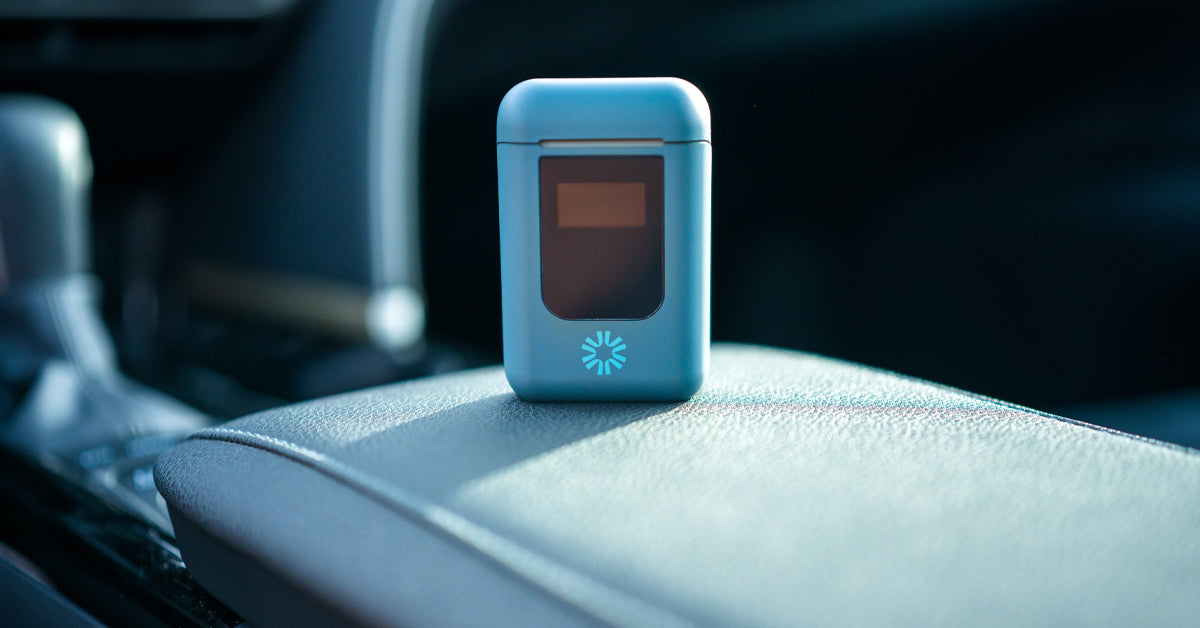
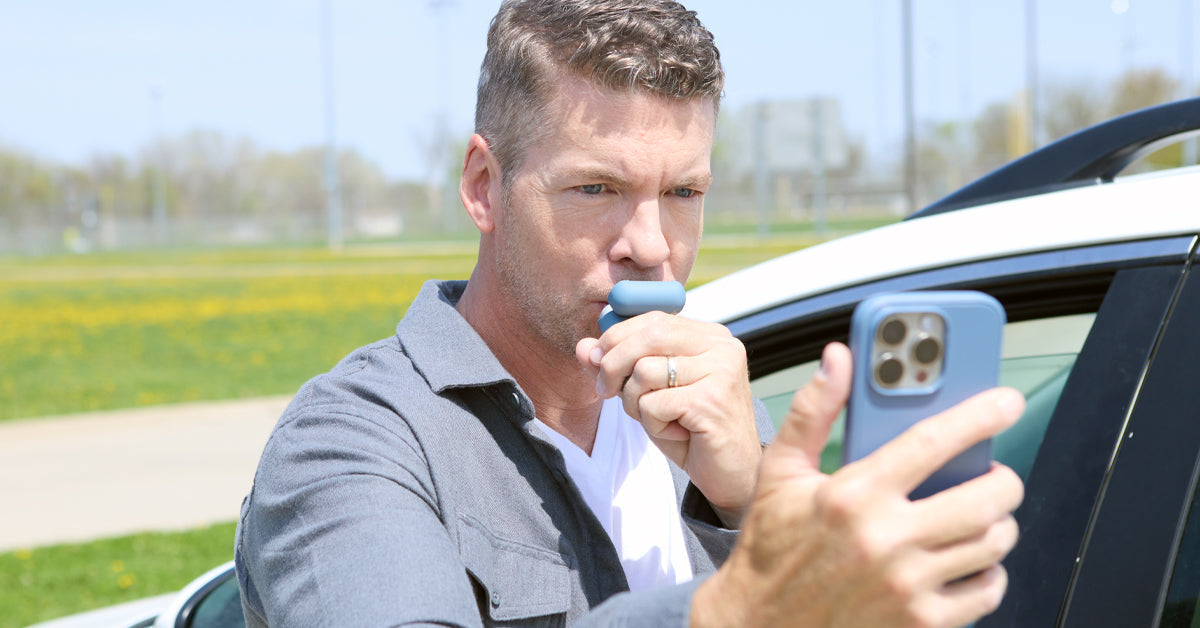
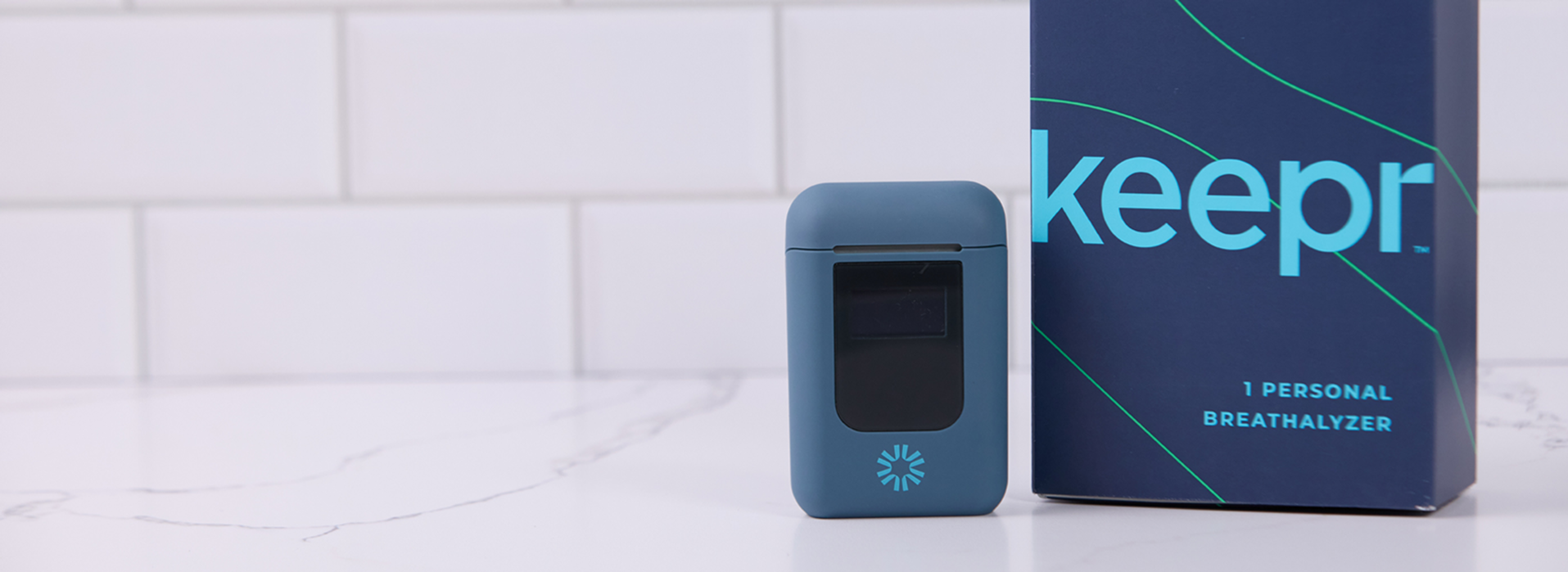
- Keepr Drive: A personal alcohol monitoring product that connects the Keepr Breathalyzer to a vehicle's ignition system, that, when enabled, requires a passing breath sample before the car will start.
Keepr Drive is a discreet and easy way to measure breath alcohol levels, helping give guardians, young drivers, and passengers the right information before choosing to drive during Halloween, Homecoming, and all other festivities.
For parents, Keepr Drive can also open the door to conversations about responsible choices, impaired driving, and knowing when not to get behind the wheel.
Help Your Teen Driver Get Home Safe on Halloween and Homecoming
Halloween and Homecoming are rites of passage for most American teenagers. The goal isn't to prevent teenagers from having fun or gaining independence. It's to make sure they have the tools and support to make safe decisions as a driver or passenger.
Use Keepr as a resource to help keep your teen safe on the road.
FAQs: Preparing Teen Drivers for Homecoming and Halloween
This article is for informational purposes only and should not be considered legal advice. Consult a qualified legal or medical professional for specific questions. For immediate assistance about alcohol monitoring tools, contact Keepr®.