

How to Help Protect Your Teen from Drunk Driving on Prom Night
6 min read
This article is for informational purposes only and should not be considered legal advice. If you have questions about DUI laws or charges, consult a qualified professional. For immediate assistance about alcohol monitoring tools, contact Keepr® at (833) 743-5969.
Prom is an exciting night for your teen. Learn how to discuss the risks of drinking and driving and create plans for potentially safer alternatives.
Conversations about their outfit, their date, and the afterparty may seem to be the only things your teen is interested in leading up to their big prom night. But as a parent and caregiver, you know that behind the scenes, they’re possibly discussing who is bringing the flask to the dance and the beer to the post-prom celebration.
Risks related to drunk driving on prom night are a real concern, and it’s natural to want to help protect your child from becoming a drunk driving statistic. Teen drivers have crash rates that are three times those of drivers over 20. Immaturity, risky behaviors on the road, and loss of judgment help to make teen drivers a vulnerable group for alcohol-related car accidents.
Help your teen enjoy a memorable and safe night by putting guardrails in place. Have open conversations about responsible drinking and driving to help protect your teen, their friends, and their future.
How Likely Are Teens to Drink on Prom Night?
Research suggests underage drinking on prom night is a considerable risk. A study from the American Automobile Association (AAA) shows 54% of students drink more than four alcoholic drinks on prom night, while 9 in 10 teens believe their peers will drink and drive on the day of the event. Even teens whose parents least expect them to drink are taking part.
Assessing the Risks Facing Your Child
It may be difficult to accept your teenager is engaging in underage drinking. You probably still remember them toddling around with a stuffed animal in one hand and a sippy cup in the other. But rather than look the other way, learning the potential risks of prom night drinking can help you and your teen have a meaningful conversation and create the right plan.
Let’s examine some sobering statistics:
- Nearly 20% of alcohol-impaired drivers involved in fatal crashes in 2022 were ages 15–20.
- About half of the teens involved in fatal drunk driving accidents were not wearing a seatbelt.
- Teens who drink underage or ride with impaired drivers are more likely to drive impaired themselves.
- Teens from higher-income households report higher rates of alcohol use than their lower-income peers.
- Early exposure to alcohol increases opportunities for risky behaviors, including impaired driving.
These stats don't mean your child will drink on prom night, but they do offer proof your teenager will likely be exposed to underage drinking and the potential dangers that come with it. Teens who understand the risks of riding with or driving under the influence are more likely to make safer choices.
How Schools Are Responding to Parent Concerns
Some schools are proactively helping to keep students safe on prom night. In some cases, schools are working together with parents to address underage drinking before end-of-year celebrations start to fill up the school calendar. In other instances, schools are partnering with community groups to provide creative alternatives for students who don't want to drink before, during, or after prom.
Prom Promise Contracts
The American Automobile Association partners with schools to ensure safety for prom and graduation seasons in several states. The AAA PROMise program encourages teens to sign a pledge showing their commitment to not drive impaired or let their friends drive drunk. The free AAA program educates and equips schools, students, and parents to take ownership of their responsibility behind the wheel.
AAA also encourages parents to openly communicate with your teens about a prom plan and be available if your child calls for a safe ride home.
Breathalyzer Tests at Entrances
Some schools are using breathalyzers to confirm sobriety. High schools in Madison, South Dakota, Indianapolis, Indiana, and the Salem-Keizer School District in Oregon, have all experimented with administering breathalyzer tests to gain entry to important school functions like prom.
School board approval and local donations make tests like these a reality, with the goal of helping keep teens in the community safe. However, this method is considered extreme by some parents and students and has received some pushback.
After-Prom Events
After-prom events are parties hosted by parents or schools to provide a safe space for teens to continue celebrating, much in the same vein as post-graduation events like Project Graduation.
These chaperoned alternatives are fun and memorable, with ideas ranging from roller skating parties and karaoke to tech lounges and live entertainment.
Safer settings may allow teens to party until sunrise without a drop of alcohol, helping them get home more safely.
4 Steps to Protect Your Teen from Drinking and Driving Risks on Prom Night
Caregivers and parents set the first example of responsible alcohol use. Even parents who drink alcohol can display healthy habits by using a voluntary car or handheld breathalyzer to stay safe, avoiding drinking and driving, and having a plan ahead of time if things change.
Here are some steps to help you and your teenager set boundaries and encourage accountability on prom night:
- Talk about risks in advance: Let them know the stats and facilitate an open discussion without blame or judgment before your teen gets their driver's license or starts to drive with friends.
- Set clear guidelines and consequences: Set rules around potential consumption, safe numbers to call when they need a ride, and download ride-sharing apps that allow them to get around safely.
- Create a code word for a safe exit: Children's Hospital of Philadelphia suggests creating a code word your teen can call or text you with to let you know they need your help getting out of a tricky situation. “Teens may want to do the right thing, but peer pressure can make it difficult,” references CHOP. “Parents can help by picking them up immediately when they are texted the code word or called with the code word.” Parents need to remember that the code word is in place for safety, not to criticize teens’ judgment.
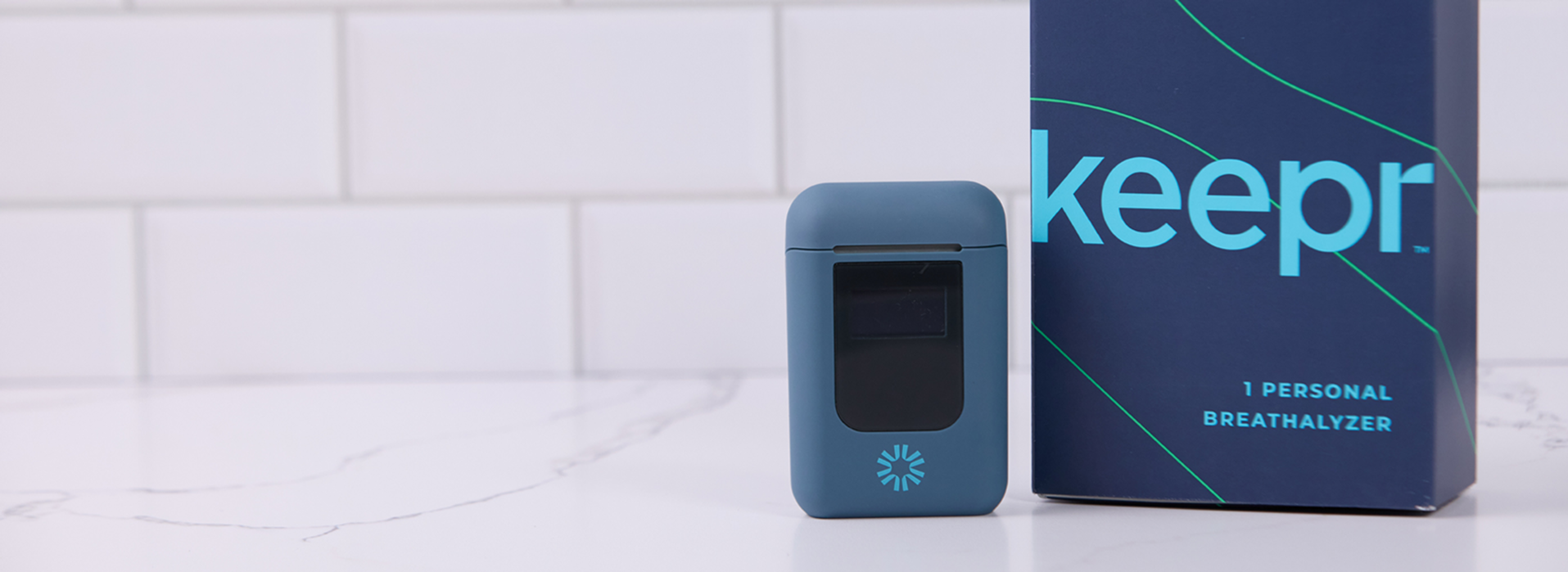
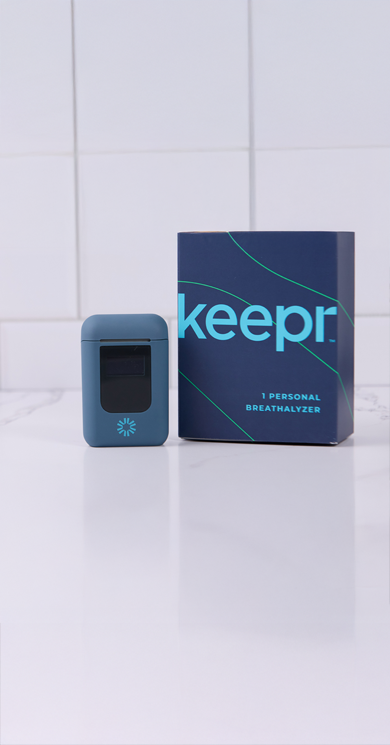
- Introduce a personal breathalyzer: A personal and portable breathalyzer that delivers a real-time Breath Alcohol Concentration, or BrAC, can help you and your teen make informed decisions before getting behind the wheel. Some of these breathalyzers, like Keepr, can link to an app for shared tracking or connect to your car's ignition to require a breath sample below a pre-set limit before the car will start.
Learn more: A Car Alcohol Breathalyzer Could Save Your Teen’s Life. Here’s How to Get Them on Board
If your teenager does drink alcohol on prom night, try to remember that choice doesn’t define who they are becoming as a person. “Sometimes a hard stumble is the route to great change and success,” says Brian T. Davis, Founder and Executive Director of Directions Counseling & Coaching in Powell, Ohio and New Directions Assessments, a national mental health and substance use assessment website service.
Help Your Teen Enjoy Prom Night Safely and Responsibly
Prom is one of the top occasions caregivers worry about alcohol use, alongside spring break, graduation, summer break, homecoming, winter holidays, and school sporting events. But prom night doesn't have to pass with a blur, a hangover, and worst case, a DUI. Instead, you can equip your teen with information, tools, and a sense of responsibility to help them make smarter choices.
Caregivers can try to motivate local schools to explore different options that help reduce the chances of alcohol being involved. You can also incorporate tools into your home routine to help make sure that every time you or your teen is driving, it's with clarity. Prepare your teen for their first big celebration by discussing safe driving and responsible habits.