Are You Showing Signs of a Drinking Problem? Here's What to Do
5 min read
Knowing your drinking habits and using a tool to provide real-time data about your alcohol consumption is an empowering step toward making informed choices.
Key Takeaways
- Knowing the early signs of a drinking problem helps you make confident decisions.
- Understand your triggers and drinking patterns for better boundaries.
- Private tools like Keepr® offer a clear, judgment-free look into your alcohol use.
You’re not alone if you’ve ever wondered whether your drinking habits are totally normal or edging into concerning territory. Alcohol fits naturally into many social situations and daily routines, which can make it hard to recognize when something shifts. Maybe you’re drinking a little more often, relying on that evening glass to unwind, or noticing changes in how alcohol affects your mood or sleep.
Understanding the early signs of a drinking problem isn’t about judgment; it’s about clarity. This guide breaks down what to look for, how to self-assess, and how to take proactive steps if you’re concerned about your drinking. Awareness is the first step toward healthier habits, and you’re already taking it.
This informational blog is not legal or medical advice. If you have questions or want a personal breathalyzer to better understand your alcohol use, call Keepr at (833) 743-5969.
How Much Do Americans Drink?
In 2024, just over half of U.S. adults (50.6%) reported drinking alcohol in the past month. Of those surveyed, about 1 in 5 engaged in binge drinking. That’s a slight drop in recent years, showing that alcohol use is trending just a bit lower.
Seeing the bigger picture of alcohol use helps you know your habits without jumping to assumptions.
How Much Drinking Is Normal?
The Centers for Disease Control and Prevention define moderate drinking as 1-2 drinks per day depending on your physical build. What is considered a standard alcoholic serving? This may include:
- 12 oz of beer
- 5 oz of wine
- 1.5 oz of distilled spirits
Studies show that alcohol use is changing across the population. Being aware of your drinking habits is important. Drinking daily doesn’t automatically mean there’s a problem. What matters is why and how you drink. When alcohol begins to affect your routines, responsibilities, or relationships, it is worth taking a closer look.
Health Risks Associated with Drinking
Even drinking low amounts of alcohol can affect people. Some possible health effects may include:
- Cardiovascular risks, including high blood pressure, heart disease, or stroke
- Liver stress or disease
- Sleep disruption
- Cognitive changes affecting memory, mood, and judgment
- Weight gain and metabolic issues
Awareness, balance, and an understanding of your limits can help you to make a healthy shift in your drinking habits.
Watching for Early Signs of a Drinking Problem
Recognizing early signs of a drinking problem offers clarity and helps you to make intentional choices before habits escalate.
Understanding Binge Drinking and Alcohol Use Disorder
Binge drinking happens when you consume a large quantity of alcohol in a short period. This is usually four or more drinks in about two hours. Drinking alcohol in this way can increase the risk of accidents and injuries. In some cases, it leads to long-term health effects.
However, not everyone can make the conscious decision to control their alcohol intake. Alcohol use disorder (AUD) is a medical condition. This is defined as an impaired ability to control alcohol use despite adverse effects on health, relationships, or work. The symptoms of AUD include:
- Drinking more or longer than intended
- Persistent desire or unsuccessful efforts to cut down
- Spending more time drinking or recovering
- Craving or strong urges to drink
You can learn about assessing your risk through the Alcohol Use Disorders Identification Test (AUDIT). Awareness starts when you spot these patterns.
Behavior Signs of a Drinking Problem
Some behavioral signs may indicate that alcohol is affecting your daily life. These include:
- Relying on alcohol to manage stress or unwind
- Drinking more frequently or in larger amounts than intended
- Experiencing mood swings when not drinking
- Minimizing, hiding, or rationalizing alcohol consumption
- Struggling to meet responsibilities at work, school, or home
Keeping a private record of these behaviors can help you identify trends over time.
Physical Signs of a Drinking Problem
Alcohol affects the body in several measurable ways. You may want to watch for signs, such as:
- Shakiness, restlessness, or sweating when not drinking
- Sleep disturbances, including insomnia or frequent waking
- Nausea, digestive issues, or frequent hangovers
- Unexplained weight gain or changes in appetite
- Chronic fatigue or low energy
If you notice these signs early, you can act before alcohol impacts your health.
How to Self-Test for Early Signs of a Drinking Problem
Self-assessment tools give you the power to make healthy choices. You may want to:
- Track the number of drinks per day or week
- Note the situations and triggers that lead you to drink
- Observe whether drinking affects responsibilities, mood, or social life
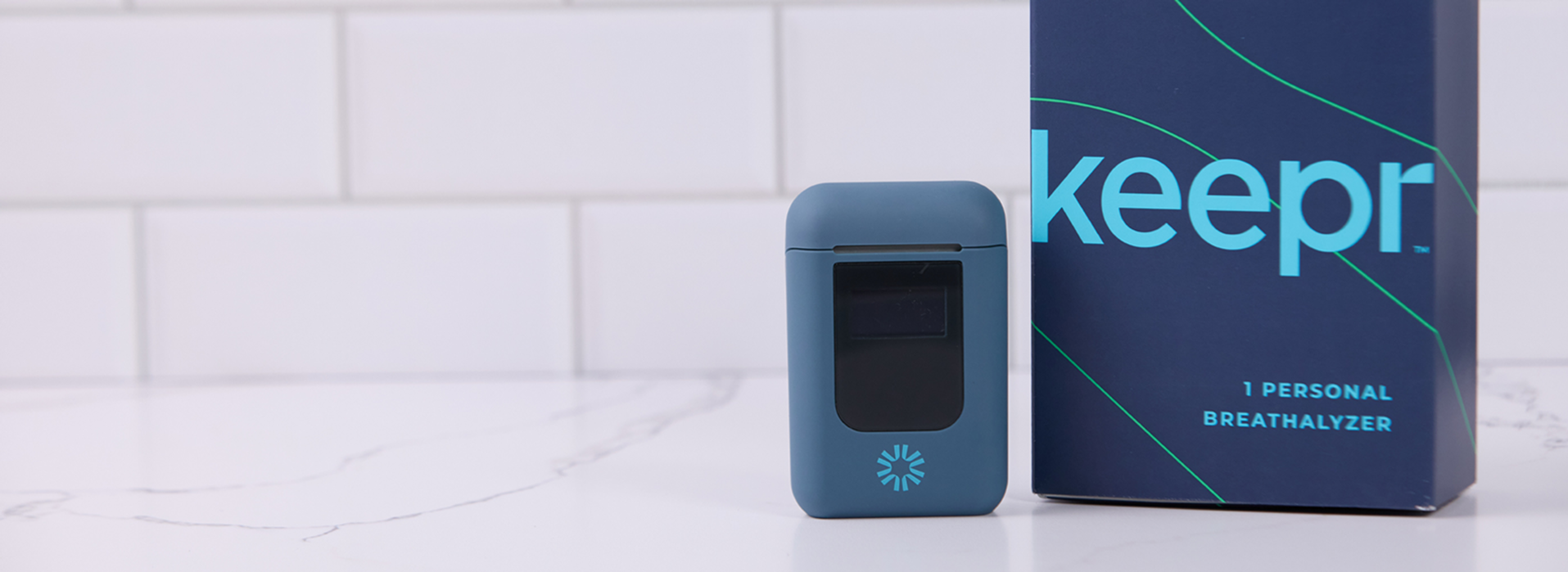
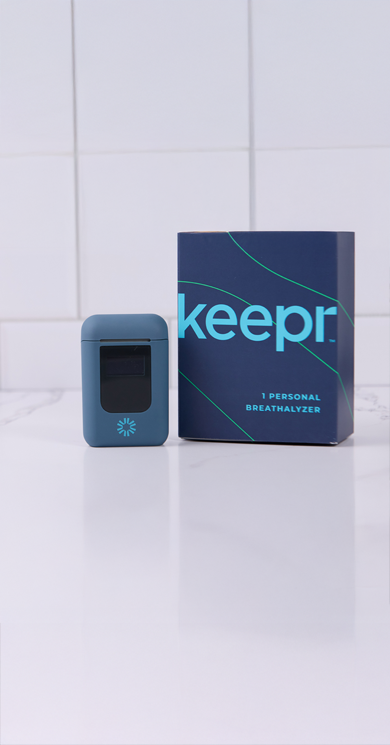
Consider tools like Keepr®, a personal handheld breathalyzer. This alcohol monitoring solution provides fast, easy-to-read breath alcohol concentration (BrAC) readings, lets you monitor your drinking patterns privately, and helps you gain insight into how alcohol affects your body.
3 Ways to Self-Regulate Before Signs of a Drinking Problem
Even if your habits are not causing problems, you may want to adopt a few proactive strategies to stay mindful of them. This may include practicing responsible drinking and ensuring you remain sober when driving or operating machinery. Other tips may include:
1. Knowing Your Triggers
Stress, loneliness, anxiety, celebrations, or boredom can be triggers. Identifying yours makes it easier to stay in control. Journaling or logging patterns helps you recognize repeat scenarios.
2. Setting Personal Boundaries
You may want to create rules around drinking that support balance, such as:
- Establish alcohol-free days each week
- Limit drinks per occasion
- Avoid environments where overdrinking is likely
- Communicate boundaries with friends or family to encourage support and accountability
3. Monitoring Your Drinking with Keepr
Voluntary, easy-to-use personal handheld breathalyzers like Keepr offer real-time BrAC readings, detailed pattern tracking, and helpful insights into how long it may take for your levels to return to zero. For example, you might use it after a dinner out to help gauge whether you're sober before driving home or heading into a busy morning. It’s a quiet, judgment-free way to stay informed before small issues grow into larger ones.
Taking Control of Your Drinking Before Problems Arise
Awareness gives you power, especially when it comes to understanding your relationship with alcohol. When you stay in tune with your habits, you’re better equipped to make confident, healthy decisions long before concerns turn into problems. Logs, routine check-ins, or breathalyzer data can help you notice trends early and stay accountable to yourself. Explore more resources from Keepr to support safer, more informed choices.
If you want to explore how a personal breathalyzer can fit into your life, Keepr can help. Contact our team today.