
Approaching a Loved One About Drinking: A Compassionate, Non-Judgmental Guide
5 min read
How to talk to an alcoholic partner with compassion, confidence, and care.
Key Takeaways
- You can express concern about your loved one’s drinking without blame or confrontation.
- Timing, tone, and empathy can help work toward a productive discussion.
- Personal breathalyzer tools like Keepr® make it easier to understand alcohol use patterns privately and on your own terms.
When someone you love starts drinking more than usual, you might start to worry. But trying to address the subject can feel intimidating.
What should you say? What should you NOT say? How will they react? Can your relationship survive the conversation?
Talking about someone’s drinking can be uncomfortable. But when you handle it with care, it can also open the door to healing and hope. Here are five steps for addressing alcohol use with empathy, accountability, and care
This informational blog shares what you need to know about talking to your alcoholic partner. It is not to be used as legal or medical advice. If you have immediate questions or are seeking a personal breathalyzer to support sobriety, call Keepr at (833)-743-5969.
When to Start a Conversation
You don’t need a crisis like a DUI arrest to speak up. Many times, the best time to talk is before things spiral.
Signs of Alcohol Use Disorder
Many people drink in social settings, but when does it become a problem? Alcohol use disorder (AUD) is a medical condition "characterized by an impaired ability to stop or control alcohol use despite adverse social, occupational, or health consequences." Symptoms may include:
- Frequent drinking or in large amounts
- Needing alcohol to relax or cope with stress
- Neglecting responsibilities or relationships
- Mood changes when not drinking
- Hiding, minimizing, or getting defensive about drinking
- Withdrawal, like shaking, restlessness, insomnia, or nausea
If these sound familiar, it may be time to discuss your loved one’s alcohol usage. AUD is considered a brain disorder, and can range from mild to moderate or severe.
Understanding the Root Causes Behind Drinking: Depression, Anxiety, and Other Treatable Problems
When someone uses alcohol, they could be struggling with other issues. Anxiety, depression, stress, or mental health conditions increase the risk for AUD. Acknowledge that drinking might be a coping mechanism and not “bad behavior.”
Choosing the Right Time to Talk
There’s no “right” time to know when and how to talk to an alcoholic spouse or partner. You can choose the time and setting that are most beneficial. This could include a quiet morning at home or a relaxed evening walk. Whatever you do, find a place that feels safe and without distractions.
5 Steps to Tackle a Difficult Conversation with an Alcoholic Partner
Discussing your concern for a loved one's drinking is not an opportunity for confrontation. Rather, it's a conversation that paves the way for an honest and loving discussion.
Step 1: Open with Love and Concern
Start by expressing your concern for their health and safety. Your statements should focus on your feelings. Shift away from assigning blame or making accusations. You want to make it clear that your motivation is love, not judgment.
Step 2: Share Your Observations About Their Drinking
You may want to share what you have noticed about their drinking habits in a non-accusatory way. Focus on specific behaviors and avoid labels like “alcoholic” or “problem drinker.”
For example, you might say: “I'm worried about your safety. I’ve noticed you’re drinking more on weeknights. Is something going on that we should talk about?” Center the conversation around care and concern. This is not the time to express judgment. Leading with empathy and leaving the door open for problem-solving may help make your partner feel supported in finding healthier solutions.
Step 3: Discuss Impacts and Consequences
Talk about the real-life effects of your loved one’s drinking. Take time to discuss how their alcohol consumption affects them and those around them. Here are some tips:
- Use open-ended questions that encourage discussion
- Reflect on their behavior and feelings
- Keep the conversation constructive instead of accusatory
- Gain insight into the root causes, triggers, and challenges affecting your loved one
- Take time to share how their drinking impacts you, your emotions, and your relationship
Having a constructive heart-to-heart may lead to an opportunity to find solutions.
Step 4: Move Forward and Finding Solutions
Conversations designed to help your loved one feel supported and encouraged to find healthier habits are often the most successful.
Create a Shared Plan
Plans should reflect teamwork and accountability. Realistic steps might include setting limits on drinking, establishing alcohol-free days, or agreeing on safe ways to handle social events.
Discussing Resources and Tools to Encourage Sobriety
Fortunately, there are supportive resources available for those who struggle with alcohol. Therapy, support groups, or voluntary tools work to promote accountability. You may want to find professional counseling or couples therapy to work through problems. Many local or online support groups focus on recovery and moderation.
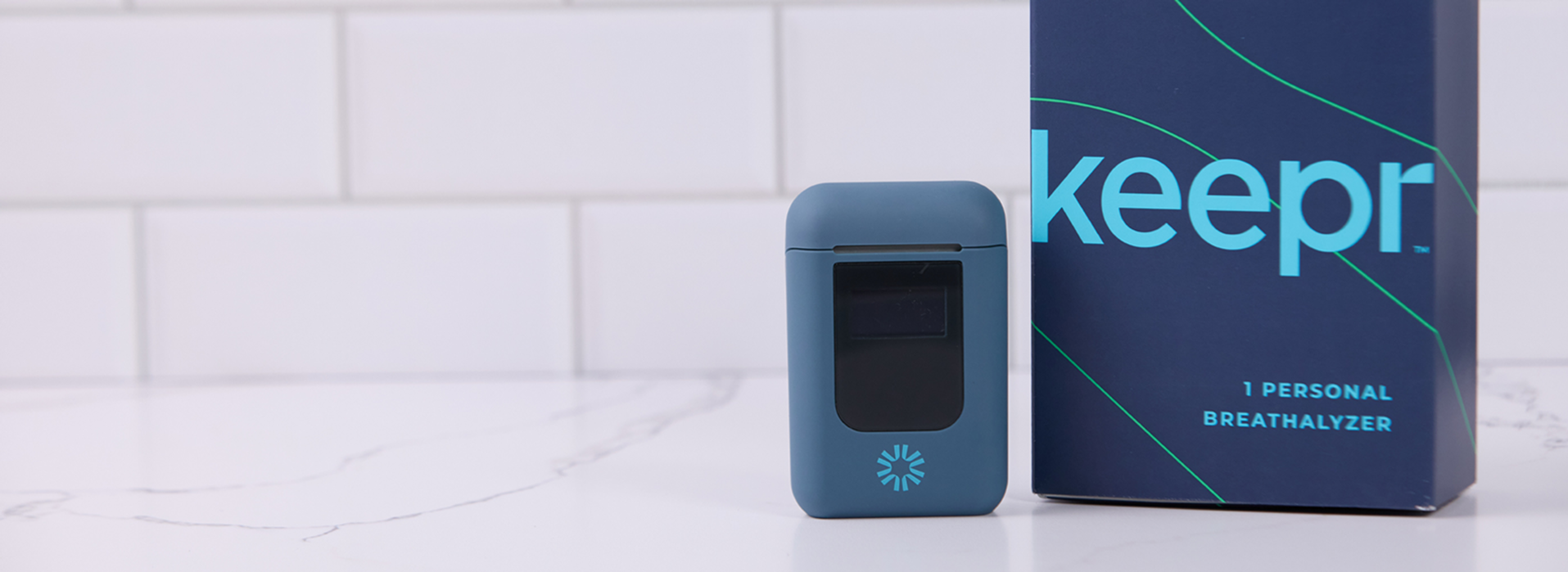
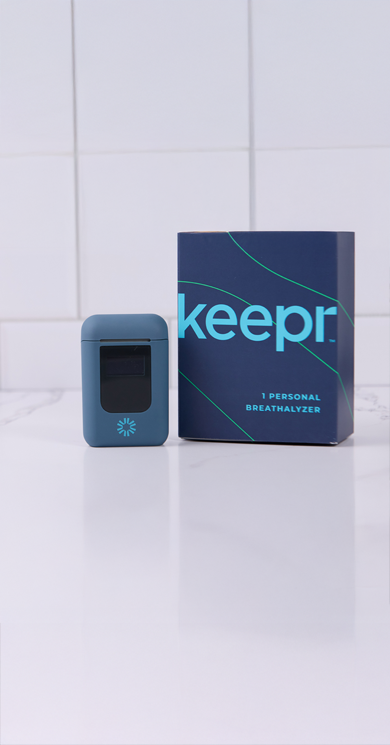
A personal handheld breathalyzer like Keepr® puts real BrAC awareness in someone’s hands. Tools like this offer real insight that can support intentional choices.
Step 5: Reaffirm Your Relationship and Commitment
You want to conclude the conversation by emphasizing your care and dedication. Reassure your loved one that your concern comes from love, not criticism. Remember, you are here to face challenges together.
Living with an Alcoholic Partner: How It Affects You
Watching a loved one struggle with drinking is not easy. There is hope for your situation, with emotional support, financial guidance, and legal advice if a DUI ever becomes a problem.
Consider Therapy as a Couple or for Yourself
Therapy can help you process emotions. For couples struggling with alcohol use disorder, it can rebuild trust and promote strategies for communication. Solo sessions, or conversations with a mediator present, can be beneficial for both your relationship and individual journeys.
Pave the Way to Healing From Alcohol Dependence
Discussing a loved one’s drinking is about caring for their well-being. Focus on protecting their health, your relationship, and your peace of mind. Change takes time. However, starting the conversation is the first, most courageous step.
Start a difficult conversation with your loved one about their problematic drinking, including integrating a Keepr breathalyzer into their routine. Our innovative, easy-to-use devices empower people to make smart decisions. Contact our team today.