
Seven Strategies to Help Your College Student Monitor Their Alcohol Consumption
6 min read
This article is for informational purposes only and should not be considered legal advice. If you have questions about DUI laws or charges, consult a qualified professional. For immediate assistance about alcohol monitoring tools, contact Keepr® at (833) 743-5969.
Helping college students build safer drinking habits starts with honest conversations, clear expectations, and practical tools that support better decision-making.
From the American Pie movies of the late 90s and early aughts to this generation's Euphoria, underage drinking is often normalized. And every fall, college culture romanticizes heavy drinking, especially during weekends, sporting events, Greek rush, and parties. Students living away from home for the first time may feel pressure to fit in socially, even if that means making unsafe decisions.
Parents play an important role in guiding their young adults to develop strategies to help navigate situations involving alcohol on campus. From sober social options to personal breathalyzers, proactive communication and planning may help families reduce DUI risks and encourage safer choices on campus.
Here's how you can help your college student learn how to monitor their alcohol consumption.
How Much Do College Students Drink?
Alcohol consumption remains common on college campuses across the United States, and while not every student drinks, binge drinking continues to be a major concern among college-age adults.
Many college students report consuming multiple alcoholic beverages in a short period of time, especially on weekends. "Weekend-only binge drinking" is often dismissed as harmless fun, but repeated episodes can still lead to serious health, academic, and legal consequences.
Drinking habits vary widely. Some students abstain completely, while others experiment with techniques like "zebra striping," which alternates alcoholic drinks with water or non-alcoholic beverages to reduce intoxication. Fortunately, the growing popularity of non-alcoholic "NA" beverages has made it easier for students to socialize without consuming alcohol.
The University Students Most at Risk
Certain groups face a higher risk of dangerous alcohol consumption during college years, including:
- First-year students adjusting to independence
- Students involved in Greek life or party-heavy social groups
- Student-athletes
- Students experiencing anxiety, depression, or social isolation
- Young adults under pressure to fit into campus culture
Students between 18 and 24 years old are more likely to drink and are statistically more likely to be involved in alcohol-related accidents and impaired driving incidents. Risky behavior isn't always obvious, and high-achieving students may still engage in binge drinking while maintaining good grades or active social lives.
The Consequences of Overindulging
Excessive drinking can affect far more than a student's social life, and the consequences can follow them for years. Potential outcomes include alcohol poisoning, injuries or accidents, assault or unsafe sexual situations, and poor academic performance, as well as arrests or disciplinary action, suspended driver's licenses, long-term health concerns and DUI charges.
Even "just a few drinks" can reduce reaction time and judgment. Our teen drinking and driving statistics guide offers insight into the risks your college student may face.
7 Strategies to Help Your College Student Cut Back on Drinking
Strategy 1: Start a Conversation with Your College Student Early
Discuss family expectations, campus safety, peer pressure, emergencies, safe transportation plans, and how alcohol affects judgment before your child heads off to college. Talking to your teen about car breathalyzers may influence their chances of being aware of how much alcohol they drink.
You should also talk honestly about abstinence as a completely acceptable option. Students often feel like drinking is mandatory for social acceptance, but many campuses now support sober-curious lifestyles and alcohol-free events.
Curious About the Sober College Experience? Learn Why Gen Z Drinks Less Alcohol.
Strategy 2: Discuss the Importance of Balancing Academics and Socializing
College students often struggle with time management and social pressure during their first year away from home. Excessive drinking can interfere with class attendance, grades, sleep quality, mental health, athletic performance, internships, and career opportunities.
Health trackers and digital wellness apps can help monitor sleep, hydration, stress levels, and recovery habits. Additionally, some students may also benefit from keeping a digital journal to track drinking patterns and identify triggers or unhealthy routines.
Strategy 3: Identify Alcohol-Free Activities and Groups to Get Involved With
One of the best ways to reduce risky drinking is to encourage students to build a social life that doesn't revolve around alcohol. Instead of drinking, encourage them to get involved with other activities, such as:
- Intramural sports
- Volunteer organizations
- Student leadership groups
- Campus fitness classes
- Religious communities
- Outdoor recreation clubs
- Creative arts communities
Many colleges also host alcohol-free weekend events, movie nights, late-night dining activities, and sober student organizations. Non-alcoholic beverages have become increasingly popular at social gatherings.
Strategy 4: Discuss the Importance of Avoiding Drinking and Driving
Fortunately, there are practical alternatives to driving, such as calling a rideshare service, staying overnight with trusted friends, assigning a designated driver, walking with a group, and calling parents without fear of punishment.
Voluntary breathalyzers, like those available through Keepr, can also provide students with objective information before getting behind the wheel. Even responsible students might misjudge impairment levels after social drinking. The DUI.org parent guide offers tips for conversations with your college student about the seriousness and long-term consequences of a DUI.
Strategy 5: Provide a No-Questions-Asked Ride Share Allowance
A rideshare budget may be one of the smartest safety investments you make. Students may avoid asking for help because they fear punishment, embarrassment, or disappointing their parents, and a standing agreement can remove that barrier. Your college student may be more likely to make safer decisions when they know they have a guaranteed exit strategy.
Strategy 6: Model Moderation and Abstinence in Your Own Drinking Habits
Students often notice contradictions between what parents say and do. Modeling healthy drinking habits builds credibility. That may include:
- Drinking responsibly at home
- Choosing not to drink at certain events
- Avoiding jokes about excessive drinking
- Demonstrating moderation
- Discussing the family history of addiction honestly
If you abstain from alcohol, you can also explain your reasoning without shame or pressure.
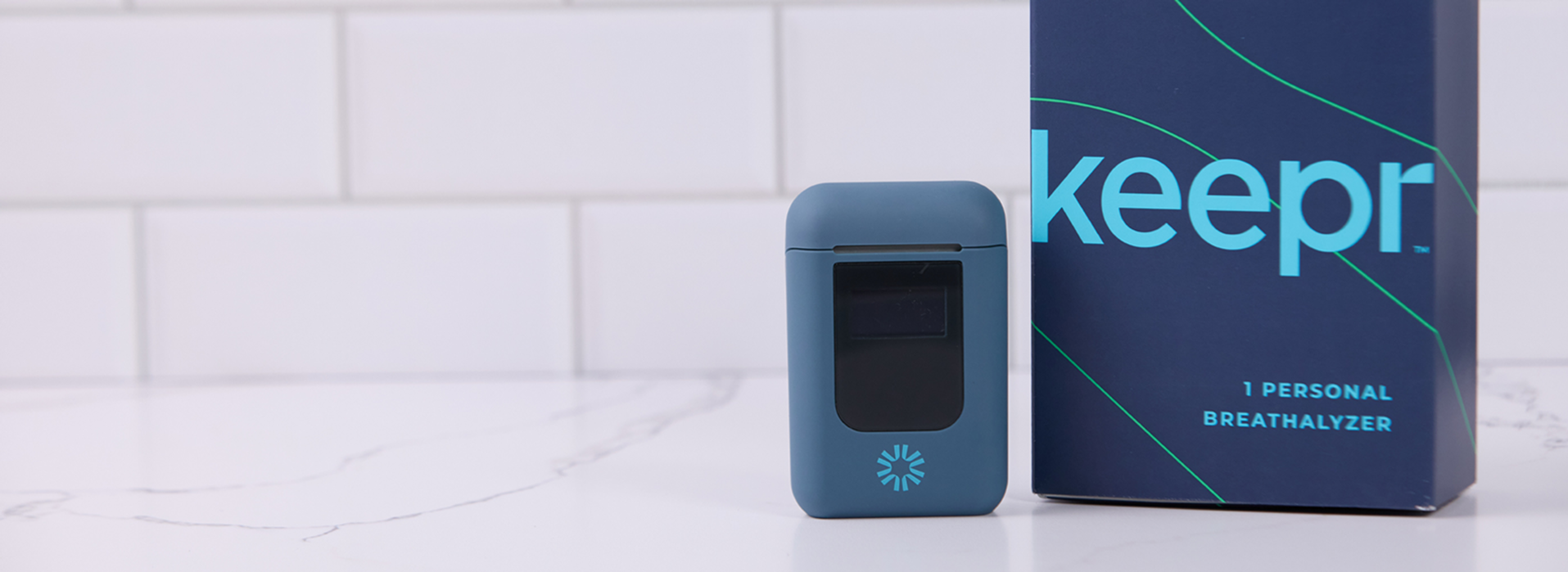
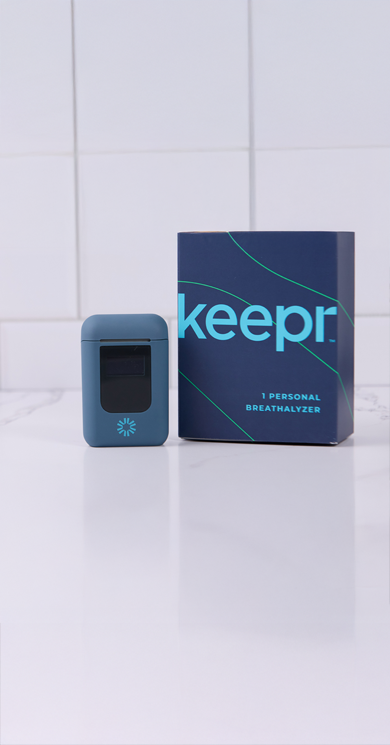
Strategy 7: Pack a Keepr Personal Breathalyzer
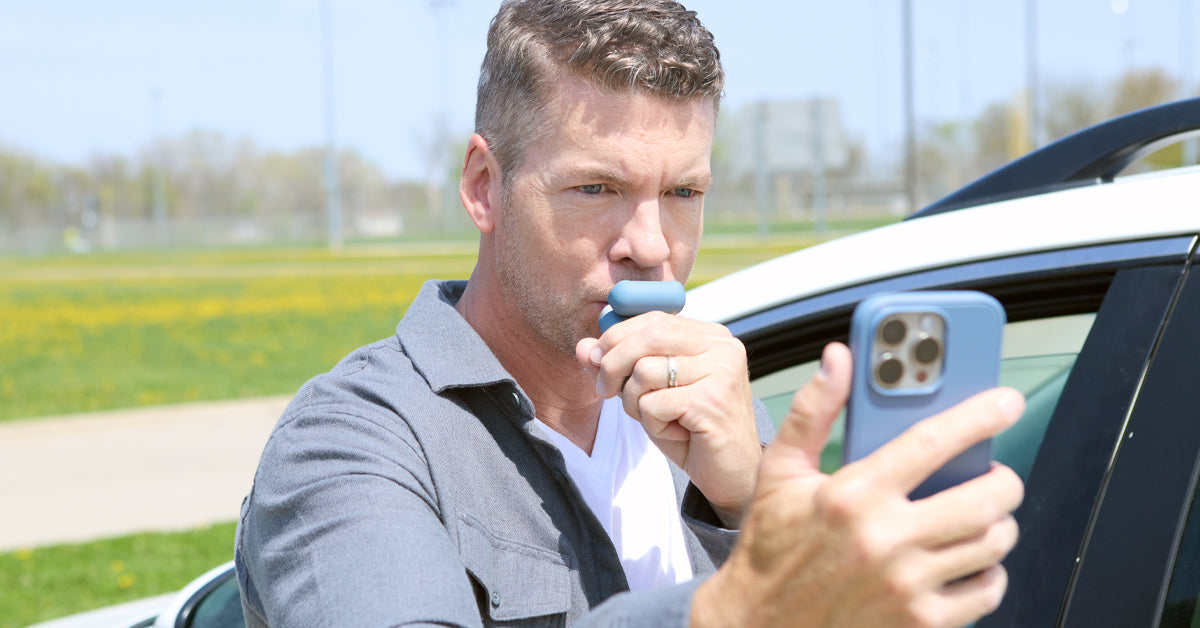
Using a Keepr personal breathalyzer can help give students real-time information that could help limit impaired driving and risky situations.
The right tools can help students measure breath alcohol concentration. With that information, university students have objective findings on which to base decisions. Personal breathalyzers also work well alongside digital journals, moderation goals, and wellness tracking apps.
Keepr's Suite of Products Supports Whole Family Safety
College students will eventually face situations involving alcohol, and you can't control every choice your child makes once they leave home, but you can help prepare them.
The combination of open communication, accountability, safer social habits, and practical safety tools can reduce the likelihood of dangerous outcomes. Ready to learn more? Find out how Keepr products are an essential part of supporting better decisions while off at college.