
How to Talk to Your College Bound Teen About Drinking Without Lecturing
10 min read
This article is for informational purposes only and should not be considered legal advice. If you have questions about DUI laws or charges, consult a qualified professional. For immediate assistance about alcohol monitoring tools, contact Keepr® at (833) 743-5969.
College and newfound independence can lead to temptation. Talking with your teen about drinking in a non-judgmental way can empower them to make good choices.
For many parents, packing up your teen's bedroom and carting them off to college is a rite of passage. Pride, tears, and excitement can feel overwhelming as you help them lug boxes upstairs to start dorm life and campus culture. If you're like most parents, there may be another emotion to contend with: worry, especially about alcohol.
It's an understandable concern. In 2024, the National Survey on Drug Use and Health conducted a study showing 16.6 million, or 47.5%, of young adults ages 18 to 25 reported they drank alcohol in the past month, with 4.2 million of those young adults being full-time college students.
College-bound teens may face a variety of temptations without the backdrop of parental supervision. Empowering teens with information and guidance before hitting campus can help them make better decisions about college drinking. But how do you talk to your teen about drinking without making them feel like you're lecturing them?
When Should Parents Talk About Drinking?
It's best to have consistent conversations with your teen about drinking long before college. But if that hasn't happened yet, definitely have a chat before they move into their dorm or start their first class.
The first six weeks of college are a vulnerable time for many teens. It's their first time out on their own, and for some, it will be their first time living far from home. They also might not have their friends or usual support system around them. This is often when teens fall prey to peer pressure, or act out as they try to fit in.
The more you can empower them before they leave, the better chance you have of them feeling confident about their choices once they're faced with difficult decisions.
Curious about what Gen Z, Millennials, and Gen Alpha think about alcohol use? Check out this article.
How to Talk About Alcohol Without Lecturing
When it comes to drinking, it can be tempting to lean into scare tactics or make restrictive rules out of fear. But those tactics will likely backfire, creating mistrust and encouraging rebelliousness, says Tami DePalma, chair of Do It For Dominic D, a non-profit organization dedicated to educating and supporting teens and young adults in making healthy choices.

DePalma routinely talks with teens about substance use. Here are her top tips:
- Be relatable. You don't have to pretend to be their buddy; aim to communicate with them on their level. "If you're just factual, it's going to go right over their heads," DePalma says. "Try to be very, very relatable. If I'm not their mom, I try to get them to feel like I'm their friend's mom."
- Make them feel important. You want to hold your teen's attention in a way that makes them feel like they're a key part of the discussion. "Looking them in the eye, validating them, and letting them feel important is key, because they are important," she says.
- Honor where they are. Don't try to treat your teen as a fully-grown adult, or the baby they once were. "Honor who they are and where they are, and don't try to make them anything that they're not," says DePalma. "They're perfect the way they are. They're just the perfect Gavin or the perfect Omari or the perfect Dominic."
-
Pay attention to their cues. They'll let you know when and how they're ready to discuss challenging topics. For example, "My son, Dominic, started listening to music and saying, 'Mom, why are all the songs about love? And what do they mean by love?' And what they were getting into is more like sex.
Using this cue, DePalma had non-judgmental discussions with her son about sex as he was sitting in the passenger seat of the car while they were driving. - Tailor your discussion. This is less of a concern if you only have one child, but if you have two or more, each likely has their own communication style. "Change the message for who you're speaking to, which is what I do on a mass level," says DePalma. "This is what each parent should be doing on a one-on-one level with their own kids."
- Remind them you know what it's like to be their age. It may have been a minute but think back to what life was like for you when you were 17 or 18. "You do remember being 17, which is exactly why you're terrified every time they leave the house," says DePalma. The more you can connect with the era they're in, the more you can make the conversation connect in their heads.
- Tell them you're in their corner. Sometimes it's hard for teens to remember you're on their side in the middle of a difficult discussion. "Remind them mom and dad are their 100% unconditional cheerleaders," she says. "And while friends seem really important right now, they will always come back to mom and dad."
-
Encourage them to have their own back. Their friends or roommates may be important, but if your teen drinks and drives, those people won't be facing down a cop. "Those friends are going to be gone. They're going to run. They're going to go another direction," DePalma says.
"So, the only person that you would need to worry about is you. When you talk about the consequences, that's very real if you're the one going to detox overnight."
- Set clear boundaries. We all want to be cool parents, but setting boundaries helps create a safety net for your teen and helps build trust. "Parents think having zero tolerance for alcohol almost sounds authoritarian... if you break this rule, you are busted. You're going to be grounded. And those things are going to happen," says DePalma. "But if there's a safety net also for the child, like, 'I know my parents' expectations, their expectations are no alcohol. And at the same time, I've built a connection with them that I know if I fall, I'm okay.'"
-
Give them grace. DePalma says this is the most important thing parents need to learn: at some point, your teen is going to fail. Don't take it personally and try to find a way to encourage them to critically think about what role they played in that failure.
"Their brains are not developed. They're going to do stupid things," DePalma notes. "And we don't just sit back and go, 'Oh, here's another stupid thing. Let's let it happen.' We use that stupid thing; you can't keep doing this thing. You need to learn these lessons and then bring them up to our expectations."
-
Provide tools to support alcohol choices. Before they settle into their new dorm, make sure your teen has downloaded a rideshare app. Encourage them to store the campus safety number in their contacts. Find out what campus resources may be available to them and make sure they have that information handy.
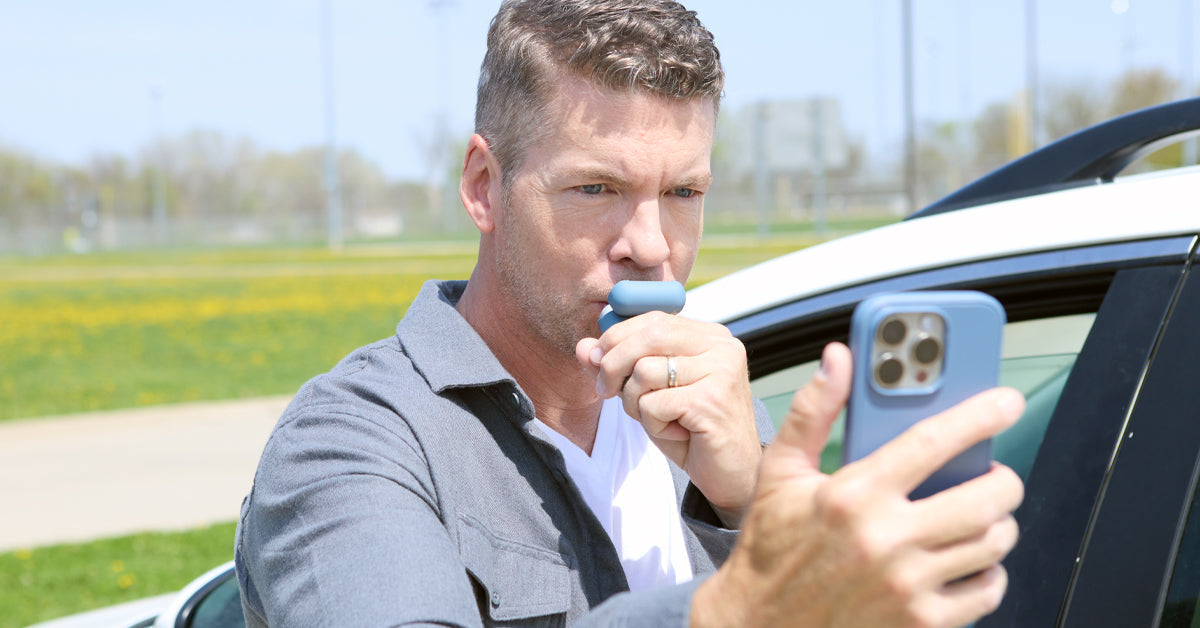
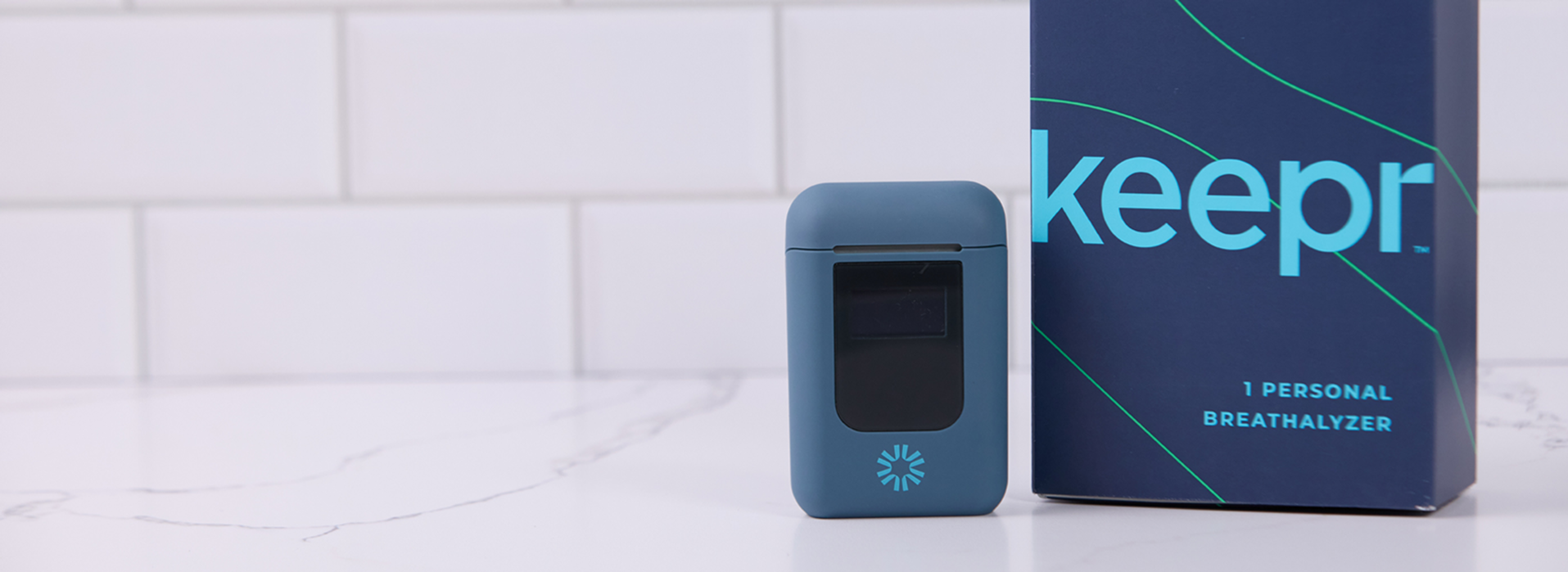
If your teen is bringing a vehicle to campus, you could also install Keepr® Drive ahead of time to facilitate data-driven decisions if they've been drinking. When Keepr Drive is enabled, a vehicle won't start until the driver takes a breath test, and their BrAC is below a pre-set limit. It is discreet, wireless, and controlled through an app by a vehicle administrator such as a parent.
How to Discuss Binge Drinking
Binge drinking continues to be a concern for college-age students. The same 2024 NSDUH study reveals 9.3 million young adults ages 18 to 25, or 26.7%, reported binge drinking in the past month, including 2.3 million full-time college students.
You may want to pelt your teen with hardcore facts and figures to scare them out of binge drinking, but that approach may have the opposite effect. Instead, follow the guidelines above and approach the discussion as a conversation. Ask them questions like:
- Do you know what binge drinking is?
- What does binge drinking look like to you?
- Do you know what makes drinking cross the line into bingeing?
- Are you aware of alcohol poisoning?
From there, you can follow the conversation where it needs to go and educate your teen based on your experience.
Questions to Ask Instead of Giving a Speech
Asking questions is a great way to get your teen to open up about drinking. The key is to ask open-ended questions that encourage conversation and listen without judgment.
Some questions to consider:
- Do you know people who are underage drinking?
- Why do you think people drink alcohol?
- Did I ever tell you about how I handled alcohol at your age?
- Is there anything you want to ask me about drinking?
- How can I support you?
What Teens Need to Know About College Drinking
Your teen will likely encounter drinking at some point during college. A 2024 panel study conducted by Monitoring the Future, a University of Michigan initiative that studies Americans from adolescence to adulthood, found that college students reported higher prevalence rates of alcohol consumption compared to their non-college young peers.
Your teen should know a few concrete things about alcohol, parties, and social expectations:
- Alcohol is prevalent: They're likely to find it just about anywhere, from frat parties and sorority events to tailgating and other college parties.
- Their limits: This could span from not wanting to hang around people who drink, to recognizing when a party is getting out of control and it's time to leave.
- It's okay to say no: Just because there's peer pressure to drink doesn't mean they have to.
Signs Your Student May Need Help
Even after all this preparation, your teen may still struggle with managing college drinking. But they may not say anything to alert you. Keep an eye out for these signs that may signal they need more support:
- They're not engaging in their favorite activities
- They're in trouble at school, missing classes, or getting lower grades
- They're isolating and being less communicative
- They're having problems with friends, or hanging out with different friends
- They're having problems with the law
- They're not taking good care of themselves
Resources for Parents
As worried as you may be about your teen's exposure to alcohol while in college, you still want to encourage their independence and build trust as they venture into this new life phase. This can also strengthen your relationship, even with physical distance between you.
Read Next: Seven Strategies to Help Your College Student Monitor Their Alcohol Consumption
If you're still struggling with how to talk to your teen about alcohol before college, here are some additional resources:
- The National Institute on Alcohol Abuse and Alcoholism
- The Substance Abuse and Mental Health Services Administration
- College Drinking Prevention
You can also rely on Keepr and our resources. We're dedicated to helping families build trust while making safer choices. Tools like Keepr Drive can make accountability a supportive team effort while still encouraging independence and autonomy. Because that's what college is all about.